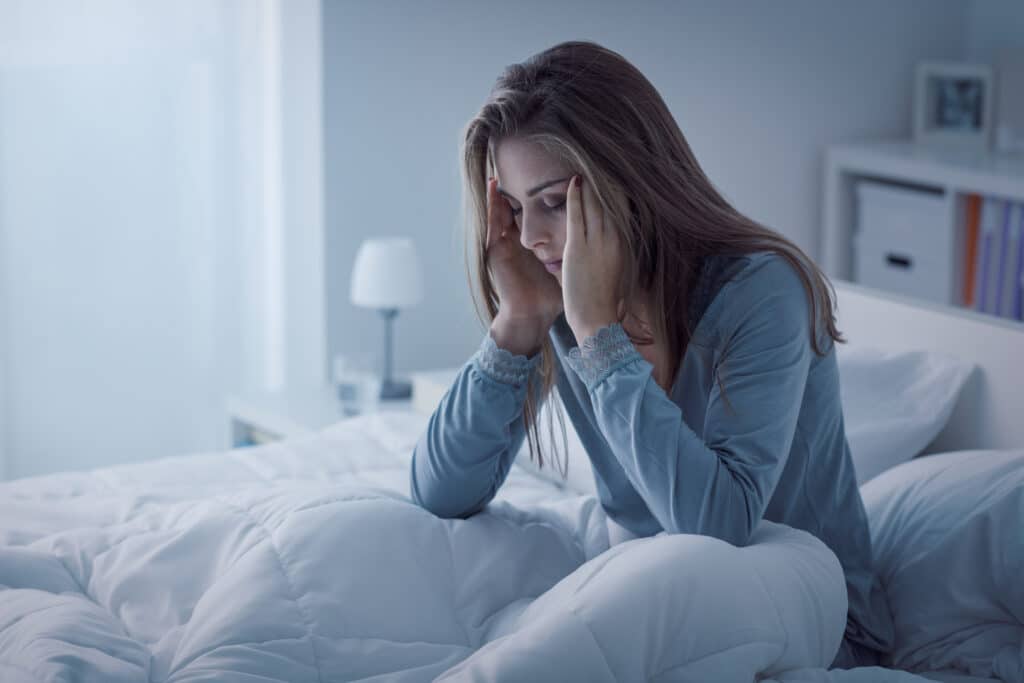
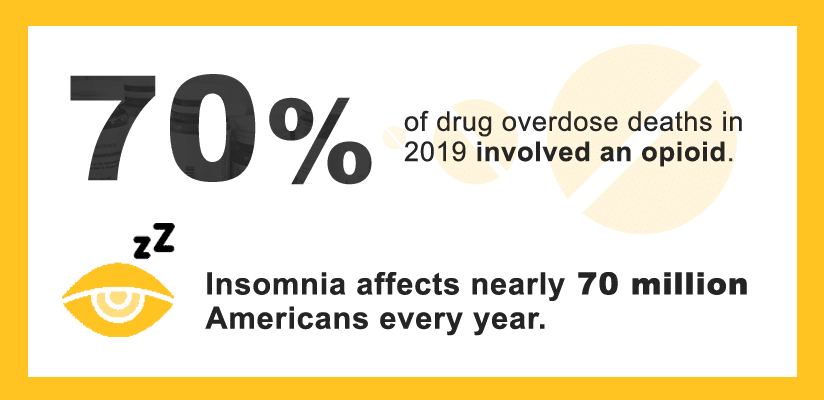
Over 70% of drug overdose deaths in 2019 involved an opioid. It’s your first day in intensive outpatient treatment and you begin to experience insomnia from opiate withdrawals. You can’t fall asleep and can’t stay asleep. You feel tired all the time, but sleep continues to evade you at night.
However, if you get help with insomnia or other sleep disorders, you can obtain the rest that your body needs. Insomnia affects nearly 70 million Americans every year. Most adults need 7-9 hours of sleep daily.
These symptoms must appear for at least 3 months for adequate diagnosis through medical exam and questionnaire. An insomnia diagnosis can include some of the following:
- Fatigue
- Impairments with memory, concentration, or attention
- Negative impacts on social, family, occupational, or academic performance
- Irritability or disturbed mood
- Excessive daytime sleepiness
- Hyperactivity, impulsivity, aggression, or other behavioral problems
- Increased risk for errors and accidents
- Lack of motivation or energy
Table of Contents [show]
Table of Contents
What Are Opiates and Opiate Withdrawal Symptoms?
Opioids are derived from the opium plant. Opioids have been used to treat pain. Opiates are depressant drugs that slow down how fast your brain processes information. Opiates can be used medically for pain relief or recreationally for their euphoric effects.
Some common opiates are:
- Morphine
- Heroin
- Codeine
- Methadone
Opioid medications can cause side effects, including sleep problems. If someone is taking an opioid medication chronically, the body can become tolerant to it so that more of the medication can have less effect. When a person stops taking an opioid medicine, they can experience withdrawal symptoms.
Opiates can be taken orally in pill form but also can be smoked or snorted through them to achieve a faster onset of a high. This can contribute to the highly addictive qualities.
Do not stop taking your medication without speaking with your physician first. Opiates can be extremely dangerous if taken improperly or if too much has been taken at once. Stopping the medications can put extreme stress on your body leading to more severe problems than just insomnia itself. Addiction can be detrimental to your health, so please seek assistance in getting off these medications properly.
Sleep Problems & Addiction
The neurobiology of sleep and substance abuse are related. It’s been recorded how substance abuse affects the chemical reward systems of the brain. Poor quality of sleep can lead to drug cravings and even relapse. Additionally, current medication therapies for alcohol, opioid, and nicotine addiction do not aid in sleep difficulties.
When substance use is necessary to self-medicate insomnia, this can have adverse effects on addiction. The side effects of substance abuse can disrupt sleep patterns such as alcohol and marijuana. Stimulant drugs such as cocaine and methamphetamines can also play a factor in sleep quality. The half-life typically lasts longer, presenting large changes in the brain.
Many people with substance abuse disorders do not get a good night’s sleep. Substance abuse can lead to cause sleep disorders. For instance, someone who abuses an opiate, such as oxycodone or morphine, may suffer from insomnia when they quit using the drug cold turkey. This usually occurs if the person has become dependent on opiates.
Opioid withdrawal symptoms are extremely uncomfortable and physically painful. Most of these symptoms last for two weeks or less. However, some people continue to suffer from insomnia, even after their bodies have returned to normal levels of opiate tolerance.
Common Sleep Disturbances in Recovery include:
- Problems falling asleep
- Trouble staying asleep
- Lower sleep quality
- Sleep apnea
- Atypical sleep stages
- Relapse dreams
Withdrawal insomnia can be draining. Since opiate addiction is similar to other types of substance abuse disorders, anyone who has become more dependent on an opiate will likely experience severe insomnia while they detox.
Additionally, this person may not be able to sleep due to horrific nightmares that can offer a substitute for what they’re going through while quitting. But no matter what the cause may be, it is important to treat them before the effects worse, leading to increased risks for substance use.
How Can Insomnia From Opioid Withdrawal Be Treated?
Depending on the cause of insomnia, some methods can naturally reduce sleep disturbances and help you get back to sleep. Insomnia can also be aided by understanding what is causing your sleep problems in the first place. Complementary and alternative therapies can be used in conjunction with more conventional methods of treatment.
For example, if your insomnia is due to panic attacks before bedtime, then it can help to do some relaxation exercises that can reduce the stress associated with these attacks. If on the other hand, your problem is caused by physical issues, such as taking too much medication or being overly tired after working all day, it can help to have a small cup of herbal tea before going to bed.
Therapies
Cognitive-behavioral therapy for insomnia is considered the first line of defense for sleep disorders. Sleep education and hygiene are the main components. Sleep hygiene focuses on increasing behaviors that improve sleep quality. Sleep education can help people understand why they have insomnia patterns.
Stimulus control is a technique used through a series of steps to reduce anxieties and develop a positive relationship with your sleep area, such as lying down when you feel tired.
Relaxation techniques can alleviate the stress that can trigger an episode of insomnia, while herbs can soothe physical symptoms such as pain or discomfort.
Medications
One of the easiest ways to cope with insomnia is through prescription sleeping pills, such as Ambien or Lunesta. These can help reduce anxiety and introduce a deep sleep that can last for up to 7-8 hours. Benzodiazepines are a class of psychoactive drugs that have been used to treat insomnia for short-term use.
Melatonin agonists have been used to treat insomnia related to sleep onset or falling asleep. Over-the-counter medications such as antihistamines have sedative effects, however, it’s best to consult your doctor beforehand. Natural supplements such as valerian root and kava have been reported to improve sleep quality and reduce insomnia symptoms.
Opiate Withdrawal Symptoms Can Cause Insomnia
When the brain can’t produce enough serotonin, dopamine, and norepinephrine, sleep can be difficult to achieve. Since opiates can damage neurotransmitter production over time, it can take a long period of abstinence from them before your body is free from their influence. For some people, even an eight-hour period of sleep can be difficult to achieve.
Here are several symptoms of opiate withdrawal:
- Agitation
- Anxiety
- Muscle aches
- Runny nose
- Yawning
- Sweating
- Insomnia
- Diarrhea
- Nausea and vomiting
In addition, your body can have a hard time adjusting from being on opiates to being off of them. In the first stages of recovery, it can take a while for the brain’s chemical environment to adjust. This can cause severe sleep problems as well as other withdrawal symptoms.
Another interesting way to treat withdrawal problems is through hypnotherapy. This can help people relax and improve their ability to sleep at night by bringing them back into the mindset they were in when they first became dependent on painkillers. Hypnosis can also be an experimental tool to help you deal with psychological aspects of withdrawal.
On the other hand, the reason why it’s important to quit taking opiates before starting any kind of self-treatment program is that these medications can lead you into a state of physical dependence after just several weeks of use.
Getting Quality Sleep When Abstaining from Opiates
If you are going through opioid replacement therapy or detoxification, discuss with your health care provider any issues that you’re having related to sleep. Several steps can be taken to help improve sleep quality during this stressful period:
Discuss medications with your provider. Many people experience respiratory depression when they first stop taking opiates. Use these medications only as directed by your physician.
Some medications used to treat opiate addiction include:
- Methadone: (Delivered through treatment) Aids in relieving opioid cravings and withdrawal symptoms.
- Buprenorphine: (Daily dose under the tongue or delivered via monthly injection) Relieves opioid symptoms without cravings.
- Clonidine: Although not as effective towards treating cravings, this medication is used to treat opiate withdrawal symptoms such as anxiety, muscle aches, runny nose.
- Naltrexone: (Monthly Injection) Functions without turning on the opioid receptors in the brain. A recovering person must be completely free of all opioids before Naltrexone.
Tips To Getting A Good Night Sleep
Getting a good night’s sleep seems like a simple enough task that anyone can do, but for many people, it is sometimes impossible to accomplish. There are various ways to ensure that you do get restorative rest every night.
Avoid large meals or caffeine before going to bed: Turn your room into a dark, cool sanctuary for sleep.
Put away electronics or reduce screen time at least 30 minutes before heading to sleep: Unwind with a book or newspaper. Other calming activities are recommended.
Put your exercise clothes out before going to bed: If you don’t feel like exercising, then you can just go to bed right away after staring out the clothes. This can also be your ‘excuse’ to not exercise if you can’t think of anything else.
If this works for you, then try getting up earlier than usual and do it on your way home from work/school so that you don’t have time to change your mind about working out.
Avoid eating especially spicy foods before going to bed: A lot of people eat spicy food because they believe that it can give them some form of energy. Experiencing heartburn can be a cause of aggravation insomnia so avoiding hard-to-digest foods is particularly important at night when resting and recuperating is foremost in your mind.
Focus on relaxation on how to fall asleep and not just sleeping: Sleep can be the most difficult thing for you to come by when all of your energy is being spent on trying to sleep. It can cause a vicious cycle where you can’t sleep at night so you worry about it, even more, making it harder to get restful sleep.
Try doing some self-hypnosis before going to bed: Self-hypnosis can help relax your mind and body until they can no longer function. This can work as a control measure over stress levels if done correctly. The utilization of deep breathing techniques can also help you go into a relaxed state that can make falling asleep
Why Is Sleep Vital To Addiction Recovery?
The National Institutes of Health state that insomnia is one of the most typical withdrawal symptoms seen with opiates. A decent amount of sleep is so vital to the function of our daily lives. It can influence our emotional wellness, our physical health and can revive us from a mental perspective.
From a biochemical perspective, sleep can affect the way we feel which can affect how we deal with certain situations. Numerous variables may contribute to this particular effect such as biological behavior, social activity patterns, environmental, drug abuse history, and also other medications used.
We can get sleep to support drug withdrawal, however, can drugs help facilitate sleep? While one might assume that using medications to support slumber is simple enough, in actuality there can be various negative responses when it comes to utilizing medication for a restful evening’s rest.
Opiates are among the most widely used medications for sleeping troubles. They offer a short-term answer but can likewise bring about reliance which can make issues more difficult. If an individual utilizes these medications continually they miss out on other pain management techniques that could be beneficial.
Opiate-based tranquilizers can ease withdrawal symptoms which can cause sleeplessness. These sorts of medications can be addictive and might lead to long-term use that can result in dependency. This dependence can make it harder for an individual attempting to stop using these medications to acquire restful sleep at night.
Enter A New Beginning At Miracles Recovery
In 2019, 70,630 drug overdose deaths occurred in the United States. Insomnia from opiate withdrawal can force one to feel hopeless. It might have been quite some time since you’ve felt like yourself. Opioid addiction is sweeping the nation, although, there is a fighting chance.
Miracles Recovery is dedicated to providing exceptional care for our patients. Attention to detail and compassion are our calling cards. If you or a loved one are struggling with substance use, contact us today.
FAQ
Where can I find halfway houses in Port St. Lucie?
How do I find a reputable Methadone Clinic in Stuart FL?
References:
https://www.hopkinsmedicine.org/opioids/what-are-opioids.html
https://www.cdc.gov/opioids/data/index.html
https://www.nature.com/articles/s41386-019-0465-x
https://www.sleepfoundation.org/insomnia/treatment
https://my.clevelandclinic.org/health/diseases/12119-insomnia