
Partial Hospitalization Programs (PHPs) provides intensive treatment services for adolescents, adults, and seniors, utilizing a wide variety of therapeutic modalities in an outpatient setting.
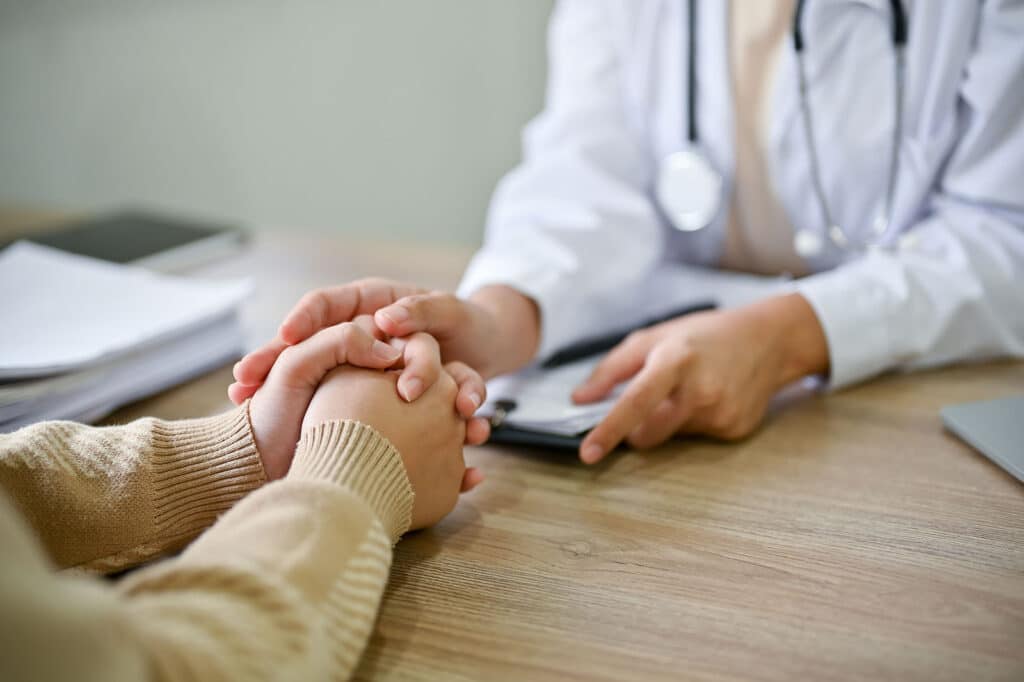
What separates PHPs from traditional outpatient therapy programs is that, during the day, partial hospitalization clients attend group therapy and work on coping skills while still living at home.
For example, cognitive behavioral therapy (CBT) has been an effective tool to rewire compulsive behaviors in mental and behavioral health treatment. This allows people who need additional support beyond what outpatient therapy can offer the ability to get help without having to commit themselves to an inpatient stay or relocation.
Having realistic goals is also important when it comes to partial hospital programs. Some people feel that these programs will help them recover quickly, but that simply isn’t possible with psychiatric issues like depression. Mental illness demands patience and motivation to manage the overwhelming symptoms.
Our team of mental health specialists at Miracles Recovery Center in Port Saint Lucie, Florida can help.
Table of Contents
- 1 What Is A Partial Hospitalization Program (PHP)?
- 2 Benefits Of A Partial Hospitalization Program
- 3 Partial Hospitalization Program Florida: Levels Of Care
- 4 What To Expect During A Partial Hospitalization Program
- 5 How Long Does A Partial Hospitalization Program In Florida Last?
- 6 Who Is A Candidate For A Partial Hospitalization Program?
- 7 Mental Health In The United States
- 8 What Are Common Mental Health Disorders?
- 9 Why Is Mental Health Treatment Crucial?
- 10 Discover Healing Through Miracles Recovery Center’s PHP Drug Rehab
- 11 References:
What Is A Partial Hospitalization Program (PHP)?
Our partial hospitalization program in Florida allows individuals to continue living at home while still receiving the care they need without having to interrupt their daily lives. Treatment takes place five days a week at our center. After this, patients can return home or to a sober living environment daily. With our PHP program, you get many of the benefits of inpatient treatment without making the commitment to be away from the rest of your life.
Benefits Of A Partial Hospitalization Program
When people are at the partial hospitalization program level of care, they can live in their own homes or a structured sober living environment while receiving full-day treatment on campus. Patients have access to many recovery groups and wellness activities as well as social support meetings. There are many benefits to participating in a partial hospitalization program in Florida, but the most common reasons why people are at an advantage with PHP include:
PHPs Help Build A Support Network
For a lot of people, being away from a familiar environment during a difficult, yet life-changing time in their lives can feel extremely stressful and overwhelming. At Miracles Recovery Center, our Florida Partial Hospitalization Programs feature AA meetings or addiction therapy sessions.
These support groups are beneficial for people who need a safe environment to share their thoughts and feelings in recovery with other individuals who have experienced and traveled similar paths. As a result, this allows people to build supportive relationships that can help both them and those around them build a new foundation for a healthy and sober lifestyle.
PHPs Help Prevent Relapse
Relapses are a difficult part of recovery. They can be the result of emotional pain or stress, as well as peer pressure from drugs themselves – this is called escapism through use. This occurs when people have gone back to their old ways of using or drinking after staying sober for an extended period of time.
The National Institute on Drug Abuse reports that the rate of relapse nationally falls somewhere between 40 and 60%. This is similar to rates with other chronic diseases, like hypertension (high blood pressure), asthma, or type 1 diabetes.
The symptoms of relapse are often similar to those who experience alcohol and drug dependence. In fact, it’s estimated that up to 50% or more will lapse back into their old ways upon release from rehab programs due in part because these behaviors have become comfortable over time through continued use.
At Miracles Recovery Center, we’re committed, through innovation and commitment, to the success of those who suffer from addiction. We work with people by providing increased care, to help reduce the high risk of relapse, which is common at the beginning of addiction recovery.
Patients in addiction recovery must remain in a treatment program long enough to learn how they can manage their drug cravings and address possible “triggers” from everyday life. Treatment also helps them cope with the stresses of living, which are common for people going through such difficult times.
PHP drug rehab programs along with rehab prevention programs offer many tools beyond detoxification so as not only to minimize but eliminate all chances at relapse after leaving rehabilitation successfully, making this one less obstacle on your path back into sobriety.
Partial Hospitalization Program Florida: Levels Of Care
At the partial hospitalization program, patients live in their own homes or a structured sober living environment while receiving full-day treatment. They participate in many of the same recovery groups and wellness activities as those at residential level care facilities but also have access to an extensive on-campus network that provides social support from other individuals going through similar hardships they’re experiencing.
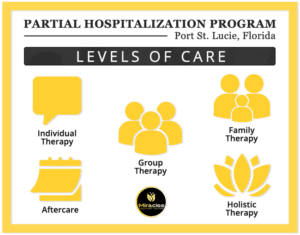
This makes it easier for individuals to navigate daily tasks during times when treatment is more intense than usual due to increased availability hours spent attending meetings/therapy sessions. Levels of care for a PHP include:
- Individual Therapy: Individual psychotherapy is one-on-one sessions that help people talk about their struggles, and help them learn to effectively cope with their negative thoughts, feelings, and behaviors.
- Group Therapy: Moderated by a mental health professional, people meet with various others to discuss topics such as stress management, coping skills, team building, and relapse prevention. Group therapy helps people feel like they have a community and support system as those around them have gone through similar experiences.
- Family Therapy: Family therapy is similar to group therapy where family members affected by addiction and mental illness talk with a therapist and each other to resolve some issues, improve communication, and build better relationships with one another.
- Holistic Therapy: Other methods of treatment aside from the traditional ones for addiction and mental illness include holistic rehab including art therapy, music therapy, yoga, meditation, and chiropractic care. This helps specialists treat a person as a whole (mind, body, and spirit), and discover the root risk factors behind a person’s addiction and/or mental condition.
- Aftercare: As a person near completing their PHP, during treatment, professionals will prepare you for life after treatment. Aftercare helps a person sustain their sobriety by creating a continuum of care tailored to their needs when they leave treatment. These include a relapse prevention program, sober living home, or further therapy/support groups.
Please keep in mind, that these levels of care vary from person to person, as everyone has different needs.

What To Expect During A Partial Hospitalization Program
The partial hospitalization process begins with an evaluation. Your clinical team will meet with you and explore your symptoms, history, and any other questions or concerns they may have about you or your mental health condition.
We’ll help to determine the next steps for you based on your unique needs. Every potential patient approved by admissions goes to our program director for assessment and into the program and will be assigned a primary therapist and customized treatment plan. It is decided at the assessment too if they should undergo PHP or IOP.
Our Drug PHP Program in Florida offers many different treatments for those struggling with co-occurring disorders. Alongside therapy and sessions, our professionals provide the opportunity to develop skills that help them cope in everyday living while still fresh out of recovery. Many programs also offer medication management services as well tips on how you can maintain your wellness during this difficult time after leaving a treatment program.
Partial Hospitalization vs Intensive Outpatient Treatment
Partial hospitalizations are typically longer than intensive outpatient treatments because partial hospitalizations allow clients time to work closely with their therapists both during group sessions and one-on-one therapy sessions during the day, whereas intensive outpatient treatment requires less time.
Partial Hospitalization vs Residential Treatment
The differences between partial hospitalization programs and intensive outpatient treatments can be subtle but significant. But both types of programs allow for 24-hour care so that the patient’s mental health needs are attended to around the clock by qualified professionals.
How Long Does A Partial Hospitalization Program In Florida Last?
Partial hospitalization programs are a step down from residential treatment, where it’s 24/7 monitoring and care. PHP is 5 days per week, usually 6 hours of treatment. IOP steps down from PHP to 5 days a week 9:00 am-12:00 pm, and then 3 days a week, 9:00 am to noon.
During partial hospitalization, patients receive individual and group therapy daily as well as community services such as life skills coaching and social activities. A psychiatric doctor or nurse practitioner will create a comprehensive plan of care with the patient to determine what services (and how much) may be needed during partial hospitalization treatment.
The length of PHP depends on the patient’s symptoms and desired goals. Intensive outpatient programs tend to last between three and six hours per day for five days a week; this is typically used for those who work full-time jobs.
Who Is A Candidate For A Partial Hospitalization Program?
Discovering treatment options for yourself or a loved one requires research and attention to detail. While partial hospitalization programs are an important element in recovery for some, they are not the best option for everyone. They are generally recommended for people who have already completed an intensive residential treatment program or PHP and need further stabilization before returning home.
These centers may also be helpful to individuals who have recently been discharged from a partial hospitalization program but need additional support during their transition back into everyday life.
If these programs seem like a fit after considering all your options, you can find partial hospitalization programs in your area by searching online or asking your doctor for suggestions. You can also contact local hospitals or mental health organizations that might have referrals available in your community. Every partial hospitalization program offers different amenities and levels of care so it is.
Mental Health In The United States
Mental health Services, now more than ever, is demanded in the healthcare industry. The stigmas attached to mental health conditions and treatment create lasting effects. Individuals with mental illness have an increased risk of developing a chronic disease. Depression is the leading cause of disability worldwide. Depression alone costs the nation about $210.5 billion annually.
1 in 8 of all visits to the emergency departments are related to mental and substance use disorders. Roughly 26% of US adults suffer from a mental health disorder (1 in 4 adults). 1 in 20 US adults experiences serious mental illness.
Additionally, a growing number of individuals suffer from more than one mental health disorder. Approximately 9.5% of adults in the United States will suffer from a depressive illness. About 18% of people aged 18-54 in a given year have an anxiety disorder.
Some common mental health warning signs include:
- Feeling sad or withdrawn for over 2 weeks
- Trying to harm or end one’s life
- Severe or risky behavior
- Excessive use of alcohol or drugs
- Seeing, hearing, or believing things that aren’t real
- Extreme difficulty staying still or concentrating
- Significant weight loss or weight gain
- Intense fears or worries that interfere with daily activities
- Drastic changes in sleeping habits, personality, or mood
What Are Common Mental Health Disorders?
Mental illness is a broad term to define a group of illnesses that include symptoms that affect a person’s thinking, perception, mood, or behavior. If you’re struggling with mental illness, it might be difficult to reach out. In fact, 50% of all lifetime mental illnesses begin by age 14, with 75% by age 24.
Anxiety Disorders
Anxiety disorders are the most common in the United States. The symptoms can include rapid heartbeat, feelings of apprehension, restlessness, and an upset stomach.
There are different types of anxiety disorders:
- Generalized Anxiety Disorder
- Social Anxiety Disorder
- Panic Disorder
- Phobias
The causes of anxiety disorders can be from genetics and the environment. Since the symptoms of anxiety disorders overlap with other disorders, a doctor will conduct a full evaluation. Different anxiety disorders require their form of treatment, including medications and psychotherapy.
Attention Hyperactivity Deficit Disorder (ADHD)
ADHD is a condition that can be characterized by inattention, hyperactivity, and impulsivity. Symptoms of ADHD can incorporate fidgeting, endless talking, difficulty concentrating, and trouble processing information quickly. ADHD can form from genetics and your environment. ADHD can be diagnosed in adolescence and adulthood. Treatment for ADHD could involve medications, behavioral treatment, and self-management/education resources.
Borderline Personality Disorder (BPD)
Borderline Personality Disorder could be described as a condition where a person has difficulty controlling emotions. Genetics, brain function, and environment can contribute to BPD. Psychotherapy, medications, and short-term hospitalization can treat BPD. An estimated 1.4% of US adults experience BPD.
BPD can be characterized by these signs:
- Unstable personal relationships
- Distorted sense of self-image
- Self-harming or impulsive behaviors
- Chronic feelings of boredom or emptiness
- Dissociative feelings
- Inappropriate or intense anger
Post-Traumatic Stress Disorder (PTSD)
A traumatic experience can leave a person with a bevy of mental health symptoms. Along with adults, children can be affected by the symptoms of PTSD. PTSD triggers the flight-or-fight response in the body. Symptoms of PTSD commonly show up 3 months after the traumatic experience. PTSD can be treated through medications, psychotherapy, and self-management therapies. A comprehensive evaluation would be necessary.
Symptoms of PTSD can include:
- Intrusive memories or flashbacks
- Avoidance
- Feeling numb or out-of-body experiences
- Hypervigilance
Schizophrenia
Schizophrenia is a severe mental illness that impairs a person’s ability to think, manage emotions, make decisions, and relate to others. Rough estimates suggest that schizophrenia affects 0.25-0.64% of US adults.
Schizophrenia can affect a person’s environment, genetics, brain chemistry, and even substance use. Diagnosing schizophrenia can be challenging but requires at least 2 or more symptoms to determine this. Antipsychotic medications and psychotherapy are used to treat schizophrenia.
The symptoms of schizophrenia could include:
- Hallucinations
- Delusions
- Negative Symptoms
- Cognitive Issues/Disorganized thinking
Depressive Disorders
Depressive disorders, or depression, can be described as extended periods of sadness and low mood. Some will experience at least one episode, while others can experience them over their lifetimes. Depressive disorders could be caused by trauma, genetics, life circumstances, brain changes, other health conditions, and substance abuse.
To be diagnosed with depression, your symptoms would have to exceed 2 weeks. Treatment for depressive disorders involves medications, psychotherapy, exercise, and even brain stimulation therapies.
Symptoms of depression:
- Loss of interest in activities
- Changes in sleep/eating patterns
- Suicidal thoughts or intentions
- Difficulty concentrating or making decisions
- Fatigue
- Feelings of low worth or guilt
Why Is Mental Health Treatment Crucial?
Mental health treatment is vital to the livelihood of all. Millions suffer from mental illness, yet do not seek treatment. We often forget how much of our thoughts integrate into our lives, from what you’re going to eat to dinner to how you intend to process an impending divorce
Without formal mental health treatment, people suffering from mental illness often face problems such as:
- Changes in eating or sleeping habits
- Withdrawal from family and friends
- Increasingly negative view of themselves and others
- Uncontrollable feelings of anger or despair
- Impulsiveness, leading to accidents or injuries.
Mental Health Treatment & Counseling Programs help those with potential or current mental health disorders by providing treatment within a partial hospitalization program that is supervised by mental health professionals.
These partial hospitalization programs (PHP) offer distinct advantages for working individuals who seek intensive services but can’t leave their jobs, attend day programs, or facilitate the time needed to consistently participate in traditional outpatient treatment. With partial hospitalization, a patient has a chance to uncover the root causes of their mental health issues.
Discover Healing Through Miracles Recovery Center’s PHP Drug Rehab
Mental health conditions can bring a storm of symptoms and negative interactions. Finding support during these difficult periods can feel hopeless. Prioritizing your mental health as much as your physical health will do wonders.
Miracles Recovery in Port Saint Lucie, FL, wants you to understand that support can be refreshing and effective. A mental health diagnosis is not sentencing for suffering.
We know that each person has a unique path to sobriety, which is why PHP drug rehab offers continuing support for recovering family members. Our PHP program in Florida has been designed as an extension of your treatment and will give you the tools needed for long-term success.
We care deeply about your well-being during this challenging time. If you or a loved one are struggling with mental illness, we can help you get your life back on track. Contact us today!
FAQ
What is a Partial Hospitalization Program for Addiction Treatment?
How does a partial hospitalization program differ from inpatient treatment?
How long does a typical partial hospitalization program last in Florida?
What types of therapies are used in a partial hospitalization program?
Will my insurance cover the cost of a partial hospitalization program in Florida?
Can family members participate in a partial hospitalization program?
What happens after I complete a partial hospitalization program in Florida?
How do I know if a partial hospitalization program is right for me or my loved one?
How do I find php programs near me?
References:
https://www.nami.org/NAMI/media/NAMI-Media/Infographics/NAMI-Warning-Signs-FINAL.pdf
https://www.nami.org/NAMI/media/NAMI-Media/Infographics/NAMI_YouAreNotAlone_2020_FINAL.pdf
https://www.hopkinsmedicine.org/health/wellness-and-prevention/mental-health-disorder-statistics
https://www.nami.org/About-Mental-Illness/Mental-Health-Conditions