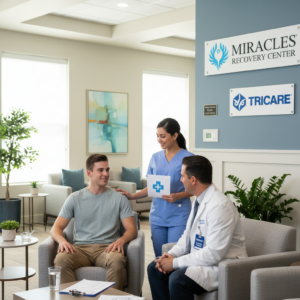

Medication assisted treatment (MAT) combines FDA-approved medications with counseling and behavioral therapies to help you manage opioid use disorder, reduce cravings, and prevent relapse. If you’re considering evidence-based options for recovery, understanding how MAT works, its benefits, and what to expect can guide you toward a safer, more sustainable path. For a deeper overview of this approach, see what is medication assisted treatment mat.
Understanding medication assisted treatment
Medication assisted treatment is a whole-person approach designed to normalize brain chemistry, block the euphoric effects of opioids, and relieve physical cravings without producing a “high.” By integrating medications such as methadone, buprenorphine (Suboxone), and naltrexone (Vivitrol) with counseling, behavioral therapies, and wraparound services, MAT supports long-term recovery goals and reduces overdose risk [1].
Opioid use disorder affects over 6.1 million people aged 12 or older in the United States [2], highlighting the critical need for accessible, effective treatment options. MAT is recognized by leading health authorities—the World Health Organization classifies methadone and buprenorphine as essential medicines—and research shows combining medication with psychosocial support yields better recovery outcomes than either alone [3].
What MAT involves
You begin MAT with a thorough medical assessment to determine the most appropriate medication, dosage, and treatment plan. Phases typically include:
- Medical detox to manage withdrawal safely
- Stabilization on medication under clinical supervision
- Ongoing counseling, peer support, and behavioral therapies
- Long-term maintenance or tapering when appropriate
Throughout the process, your care team monitors progress, adjusts treatment as needed, and integrates mental health supports to address co-occurring concerns.
Who can benefit
MAT is primarily used for opioid use disorder (OUD) and alcohol use disorder (AUD). It works for individuals at various stages of addiction—from early dependence through chronic relapse prevention—and is adaptable to your unique needs:
- People with moderate to severe OUD
- Individuals with co-occurring mental health disorders
- Those seeking to stabilize and return to work or family life
- Patients wanting a medication option combined with therapy
If you’re researching medication assisted recovery, learn more about our comprehensive programs here.
Exploring key medications
FDA-approved medications for opioid use disorder—buprenorphine, methadone, and naltrexone—work in different ways but share a common goal: to reduce cravings, block euphoric effects, and restore normal functioning.
Methadone
Methadone is a long-acting opioid agonist taken orally under clinic supervision. It prevents withdrawal symptoms, reduces cravings, and blocks the euphoric effects of illicit opioids. Used in Arizona MAT programs, methadone helps individuals maintain stability, avoid illicit drug use, and engage in counseling [4].
Buprenorphine
Buprenorphine is a partial opioid agonist that alleviates withdrawal symptoms and cravings without producing significant euphoria. Its safety profile allows for office-based prescribing, making treatment more accessible [1]. Formulations often combine buprenorphine with naloxone (Suboxone) to deter misuse. Learn more about its mechanism in our guide on how does buprenorphine treat opioid use disorder.
Naltrexone
Naltrexone is an opioid antagonist available in oral and extended-release injectable forms (Vivitrol). It blocks opioid receptors, preventing the effects of opioids without producing subjective effects or abuse potential. Note that naltrexone should only be started after a detox period to avoid precipitated withdrawal [4].
Overdose reversal agents
While not part of maintenance MAT, naloxone and nalmefene are essential reversal medications that can save lives during overdose events. Recommended by the World Health Organization, these agents rapidly reverse opioid effects and are a critical component of comprehensive opioid care [1].
Medication comparison
| Medication | Type | Benefits | Administration |
|---|---|---|---|
| Methadone | Full agonist | Prevents withdrawal, reduces cravings | Daily oral dose at clinic |
| Buprenorphine | Partial agonist | Low overdose risk, office-based prescribing | Sublingual or injection |
| Naltrexone | Antagonist | No abuse potential, blocks opioid effects | Oral tablet or monthly injection |
Reviewing treatment outcomes
Strong evidence supports MAT as a central pillar of opioid use disorder recovery. Key findings include:
- Combining medications with behavioral therapies improves sustainable recovery more than either approach alone [3].
- Individuals on methadone or buprenorphine are more likely to maintain employment, reduce criminal behavior, and lower HIV transmission risk in Arizona programs [4].
- Fewer than half of privately funded SUD programs in the U.S. offer MAT, and only one-third of eligible patients receive it, revealing a significant access gap as of 2024 [3].
By participating in MAT, you benefit from a model recognized by the FDA, WHO, and SAMHSA as an effective, life-saving intervention.
Addressing misconceptions
Despite overwhelming evidence, stigma and myths persist around MAT. Addressing these concerns can help you make informed decisions.
Myth: MAT simply replaces one addiction with another.
Fact: FDA-approved medications normalize brain chemistry without producing euphoria, distinguishing treatment from misuse [3].Myth: Using MAT means you’re not “clean.”
Fact: Recovery is a personalized journey. MAT supports long-term abstinence and improved health outcomes when combined with therapy.Myth: MAT is only short-term.
Fact: Duration varies by individual need. Some remain on maintenance medications for months or years, then taper under medical guidance [5].
Understanding the facts can help you advocate for yourself and seek the best supports.
Choosing a treatment provider
Selecting the right MAT provider is crucial for safety, compliance, and overall success. Consider these factors:
Importance of medical supervision
Ensure your care includes physicians and nurse practitioners experienced with opioid use disorder, who monitor medication levels, manage side effects, and coordinate counseling.
Coverage and access
Most health insurance plans cover MAT under the Mental Health Parity and Addiction Equity Act. Confirm coverage details for medications, clinic visits, and therapy sessions.
Questions to ask
- What MAT medications do you offer?
- How is counseling integrated with medication?
- What are your clinic hours and dosing requirements?
- How do you support long-term maintenance and tapering plans?
As you explore options, remember that fewer than half of privately funded programs nationwide offer MAT, so access may vary [3].
Starting your MAT journey
Once you’ve chosen a provider, your journey typically follows these steps:
- Initial assessment
- Medical history, physical exam, and addiction severity
- Induction phase
- Beginning medication and adjusting dose to manage withdrawal
- Stabilization phase
- Maintaining consistent medication levels and integrating therapy
- Maintenance or tapering
- Long-term support, gradual dose reduction when clinically appropriate
Integrating individual therapy, group counseling, peer support, and family involvement enhances outcomes. Peer groups and recovery coaches can share lived experience, helping you navigate challenges and stay engaged.
Miracles recovery center services
At Miracles Recovery Center, you’ll find a safe, medically supervised environment for MAT. Our offerings include:
Compliant MAT services
We follow the latest FDA and state guidelines to deliver methadone, buprenorphine, and naltrexone treatments alongside licensed counseling.
Suboxone availability
Suboxone is now accepted at our facility, making office-based buprenorphine treatment accessible and convenient. Learn more about this update here.
Holistic supports
Beyond medication, we offer behavioral therapies, peer support groups, and family education, ensuring a whole-person approach that addresses emotional, psychosocial, and physical needs.
Choosing Miracles Recovery Center means partnering with a team dedicated to your recovery, offering evidence-based MAT combined with compassionate care.
Moving forward with confidence
Medication assisted treatment offers you a proven path to recovery, addressing the biological, psychological, and social aspects of opioid use disorder. By combining methadone, buprenorphine, or naltrexone with counseling and wraparound services, you gain the tools and support needed to reclaim your life.
If you’re ready to explore how MAT can fit your recovery plan, contact Miracles Recovery Center today. Your journey to sustained wellness and resilience starts with informed decisions and trusted care.