If you’re seeking a recovery path that addresses more than just the symptoms of addiction, holistic rehab can offer a comprehensive approach to healing. Holistic rehab integrates physical, mental, emotional, and spiritual therapies alongside traditional evidence-based treatments to support long-term sobriety. By treating the whole person rather than focusing solely on substance use, you’ll develop healthier coping strategies, improve overall well-being, and build resilience against relapse. In this article, you’ll learn what holistic rehab involves, explore core modalities, understand how these therapies integrate with standard care, and discover practical steps to plan your recovery journey.
Understanding holistic rehab
Definition and principles
Holistic rehab treats addiction as a multifaceted condition that impacts your body, mind, emotions, and social connections. Instead of isolating symptoms, it seeks to identify and address underlying factors such as stress, trauma, nutritional deficiencies, and spiritual disconnection. A comprehensive plan might combine mindfulness practices, fitness therapy, nutritional support, and counseling to restore balance across all areas of your life. By viewing you as a “whole person,” this approach helps uncover root causes of substance use and promotes sustainable change (Headlands Addiction Treatment).
Key principles include:
- Treating physical, emotional, mental, and spiritual needs in tandem
- Empowering you to take responsibility for self-care
- Customizing therapies to fit your unique recovery goals
- Encouraging ongoing assessment and adjustments
Holistic vs traditional treatment
Traditional addiction treatment often centers on medical detox, cbt, and 12-Step programs. While these are crucial components, they may not fully address co-occurring issues like trauma or poor nutrition. Holistic rehab complements evidence-based practices by adding therapies that target stress relief, emotional regulation, and social wellness. For instance, you might pair individual therapy or group therapy with yoga, acupuncture, and nutrition counseling. Integrating these modalities can boost patient satisfaction, increase retention, and enhance outcomes such as reduced cravings and improved mood (Headlands Addiction Treatment).
Exploring core modalities
Mind-body practices
Mind-body therapies help you cultivate awareness of thoughts, emotions, and physical sensations. Common practices include:
- Yoga and tai chi: Improve flexibility, reduce stress, enhance mind-body connection
- Mindfulness meditation: Build focus, manage cravings, regulate mood
- Neurofeedback: Train brainwave patterns to support emotional balance
A 2018 study found that a 12-week yoga program adjunct to medication-assisted treatment for opioid use disorder reduced perceived stress after 90 days compared to controls (Headlands Addiction Treatment).
Below is a table summarizing key mind-body therapies:
| Therapy | Focus | Benefits |
|---|---|---|
| Yoga/mindfulness | Stress reduction, mental clarity | Lowers cortisol, improves self-awareness |
| Acupuncture | Energy flow, withdrawal relief | Reduces pain, eases anxiety |
| Neurofeedback | Brainwave regulation | Enhances mood stability, attention |
Nutritional and fitness therapy
Substance use often disrupts nutritional balance and physical health. Holistic rehab emphasizes:
- Nutrition counseling: Whole-foods diet to restore vitamins, minerals, and gut health
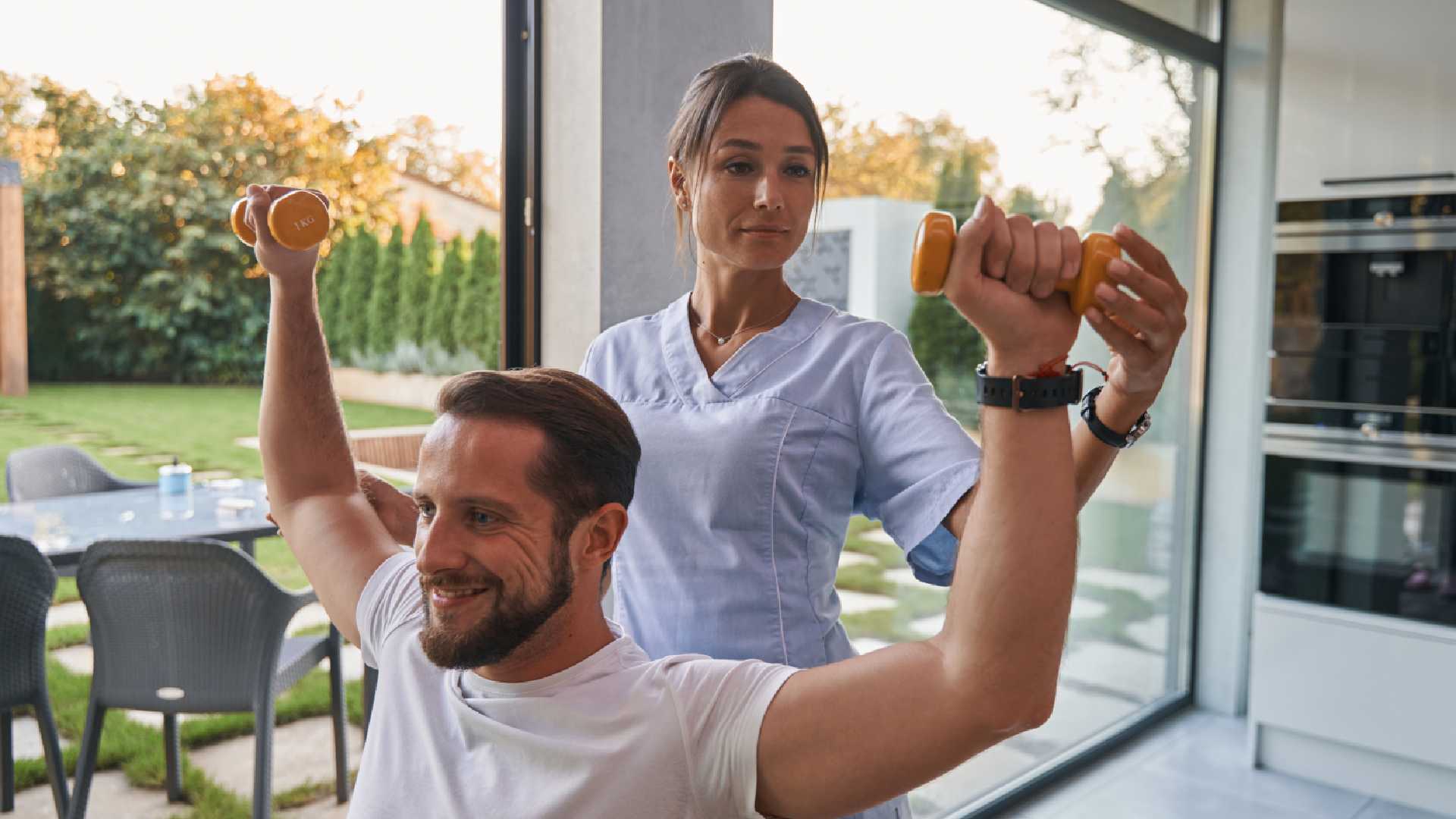
- Fitness programs: Cardiovascular and strength training to rebuild stamina and mood
- Hydration and sleep hygiene: Foundations for physical recovery
Proper diet and regular exercise support detoxification, reduce relapse risk, and boost overall vitality (Brighton Recovery Center).
Psychotherapy integration
While holistic therapies enrich recovery, traditional counseling remains vital. You may engage in:
- cbt to challenge negative thought patterns
- Dialectical Behavioral Therapy (DBT) for emotional regulation
- trauma counseling or trauma and addiction treatment to process past wounds
- life skills therapy for budgeting, job readiness, and social communication
Combining these approaches ensures you address psychological triggers alongside holistic practices, fostering deeper transformation.
Spiritual and creative therapies
Exploring spirituality and creative expression can help you discover purpose beyond addiction:
- Art and music therapy: Channel emotions into nonverbal forms of healing
- Spiritual exploration: Meditation on personal beliefs, nature retreats, or faith-based guidance
- Journaling and expressive writing: Clarify values, track progress, and reinforce self-awareness (PaRC)
These modalities nurture the spirit, often neglected in conventional programs, and enhance your sense of connection and meaning.
Integrating recovery therapies
Combining with evidence-based treatment
Effective holistic rehab doesn’t replace medical and clinical interventions; it complements them. You may begin with a medically supervised detox, followed by coordinated therapy sessions, and then layer in holistic practices. A multidisciplinary team—including physicians, therapists, nutritionists, and certified holistic practitioners—works together to create a seamless recovery plan. This integration:
- Improves treatment retention
- Reduces criminal activity post-treatment
- Increases community involvement (Headlands Addiction Treatment)
Tailoring to individual needs
You have unique risk factors, co-occurring disorders, and life circumstances. A quality program conducts regular assessments and adjusts therapies accordingly. If you have a co-occurring mental health condition or brain injury, for example, the team may explain what does dual diagnosis treatment mean and coordinate with specialists in brain injury and mental illness. This personalized approach ensures you receive the right mix of interventions at each stage of recovery.
Measuring treatment outcomes
Patient satisfaction and retention
Studies indicate that programs blending holistic and clinical modalities see higher satisfaction rates and fewer dropouts. Patients often report:
- A greater sense of empowerment
- Stronger mind-body connection
- Enhanced trust in the treatment team
Enhanced engagement during treatment lays the groundwork for lifelong skills and healthier habits.
Relapse prevention and long-term success
Preventing relapse requires ongoing support and practical tools. Holistic rehab promotes:
- Stress-management techniques (e.g., mindfulness, exercise)
- Nutritional self-care (e.g., meal planning, supplementation)
- Support networks through group therapy and relapse prevention insurance covered and alumni programs
A 2024 study, “Holistic Rehabilitation in Action,” showed significant improvement across physical, psychological, environmental, and social dimensions (P < 0.001) after a 10-week holistic program incorporating health assessments, counseling, and addiction therapy (Better Life Recovery). Such data reinforce how integrative care can sustain long-term recovery.
Choosing a rehab program
Accreditation and credentials
When evaluating facilities, look for:
- CARF accreditation or Joint Commission approval
- Licensed medical and mental health professionals
- Certified holistic practitioners with relevant training
Accreditation assures you that the program meets industry-wide standards for quality and safety (American Addiction Centers).
Program structure and aftercare
A comprehensive holistic rehab program typically includes:
- Detox and stabilization: Medical supervision to manage withdrawal
- Residential or outpatient therapy: Individual, group therapy, and family sessions
- Holistic modalities: Scheduled yoga, acupuncture, and nutrition workshops
- Aftercare planning: Continued counseling, peer support groups, and alumni networks
Ensure the program offers robust aftercare to support your transition back to daily life and reinforce new routines.
Planning your recovery journey
Preparing for holistic rehab
Before you begin, consider:
- Your personal goals and preferences for therapy
- Logistics such as insurance coverage, travel, and work or family commitments
- Identifying a support system of friends, family, or peers
Open communication with the admissions team helps tailor the right plan for you.
Ongoing self-care strategies
Long after formal treatment ends, self-care remains essential. Effective practices include:
- Scheduling regular mindfulness or meditation sessions
- Maintaining a balanced diet and exercise routine
- Attending alumni events or peer support groups
- Continuing life skills therapy or specialized counseling as needed
By staying engaged with your holistic self-care plan, you’ll reinforce the gains made in rehab and keep your recovery on track.
Holistic rehab offers a unifying framework that blends evidence-based treatments with complementary modalities to address your complete well-being. By understanding its principles, exploring key therapies, and selecting a high-quality program, you’ll be well equipped to rebuild your life with resilience, balance, and purpose.