Understanding a discreet addiction treatment facility
If you are considering treatment but feel uneasy about who might find out, a discreet addiction treatment facility can help you move forward without putting your privacy at risk. Discreet treatment focuses on protecting your identity, limiting who knows about your care, and creating a calm, comfortable environment where you can focus on recovery.
In the United States, addiction programs are already governed by strong confidentiality rules. Federal laws such as the Health Insurance Portability and Accountability Act (HIPAA) and 42 CFR Part 2 prevent treatment centers from sharing identifiable information about you without your written consent, which makes discreet addiction treatment possible even if you are concerned about stigma or professional consequences [1].
A discreet addiction treatment facility builds on those protections by:
- Limiting who has access to your information
- Controlling how and when you are contacted
- Designing the environment to avoid unwanted attention
- Training staff to prioritize privacy in every interaction
At Miracles Recovery Center, you receive this level of discretion in a setting that is intentionally comfortable, supportive, and grounded in evidence-based care.
Why privacy matters when you seek help
You may be ready to change your life, yet still hesitate to reach out because you worry about who will know. These concerns are common among professionals, community leaders, and anyone who feels a responsibility to protect their reputation or role.
Professional and personal concerns
You might be asking yourself:
- Will my employer or colleagues find out?
- Could this affect my license, security clearance, or career path?
- Will my family or community judge me if they know I am in treatment?
Current federal regulations are designed to address those fears. HIPAA protects your health information, including addiction treatment records, from being shared without your consent [2]. The specialized law 42 CFR Part 2 provides an additional layer of protection for substance use treatment, preventing programs from disclosing that you are a patient, your diagnosis, or the details of your care unless you sign a specific consent form [3].
These laws also mean that your prior treatment does not appear on routine background checks, which supports your ability to move forward in your personal and professional life without carrying a permanent label [2].
Emotional safety and trust
Privacy is not just about information. It is also about feeling safe enough to be honest.
In a discreet setting, you can:
- Talk openly about substance use, mental health, and stressors
- Explore work-related pressures, legal concerns, or relationship issues
- Participate fully in therapy without worrying about rumors or exposure
When you trust that your information and presence in treatment are protected, you are more likely to share what is really going on, which leads to more accurate assessment and more effective treatment planning.
If you want additional anonymous support before committing to a program, you can contact SAMHSA’s National Helpline at 1-800-662-HELP. This free, confidential service provides referrals to local treatment options and does not ask for personal details beyond basic location information [4].
Legal protections that support discreet care
Understanding your rights can make it easier to reach out. When you enter a discreet addiction treatment facility, several layers of confidentiality protection are working in your favor.
HIPAA and 42 CFR Part 2
HIPAA sets nationwide standards for how health information is stored, shared, and protected. Addiction treatment facilities must:
- Safeguard your records from unauthorized access
- Limit information sharing to what is necessary for your care
- Obtain your written permission before sending records to outside parties [2]
42 CFR Part 2 goes further for substance use treatment programs. It restricts disclosure of any identifying information about your treatment, including:
- The fact that you are a patient
- Your diagnosis and treatment plan
- Your progress, attendance, or medication details
Without your specific, written consent, federally assisted programs are generally prohibited from disclosing this information, which encourages people to seek care without fear of exposure [3].
Recent updates from the U.S. Department of Health and Human Services in 2024 reaffirmed that treatment centers cannot share your identity, diagnosis, prognosis, or treatment details unless you authorize it [2].
Consent and your control
When you do decide to share information with someone, you stay in control. Consent forms in addiction programs specify:
- Exactly who can receive information about you
- What type of information can be shared
- How long that consent lasts
You can revoke consent at any time, which allows you to adjust who knows about your care as your situation changes [2].
If you are looking for a rehab with privacy and confidentiality, you can expect these protections to be explained clearly before you begin treatment, so you understand how your information is handled.
What a discreet environment feels like
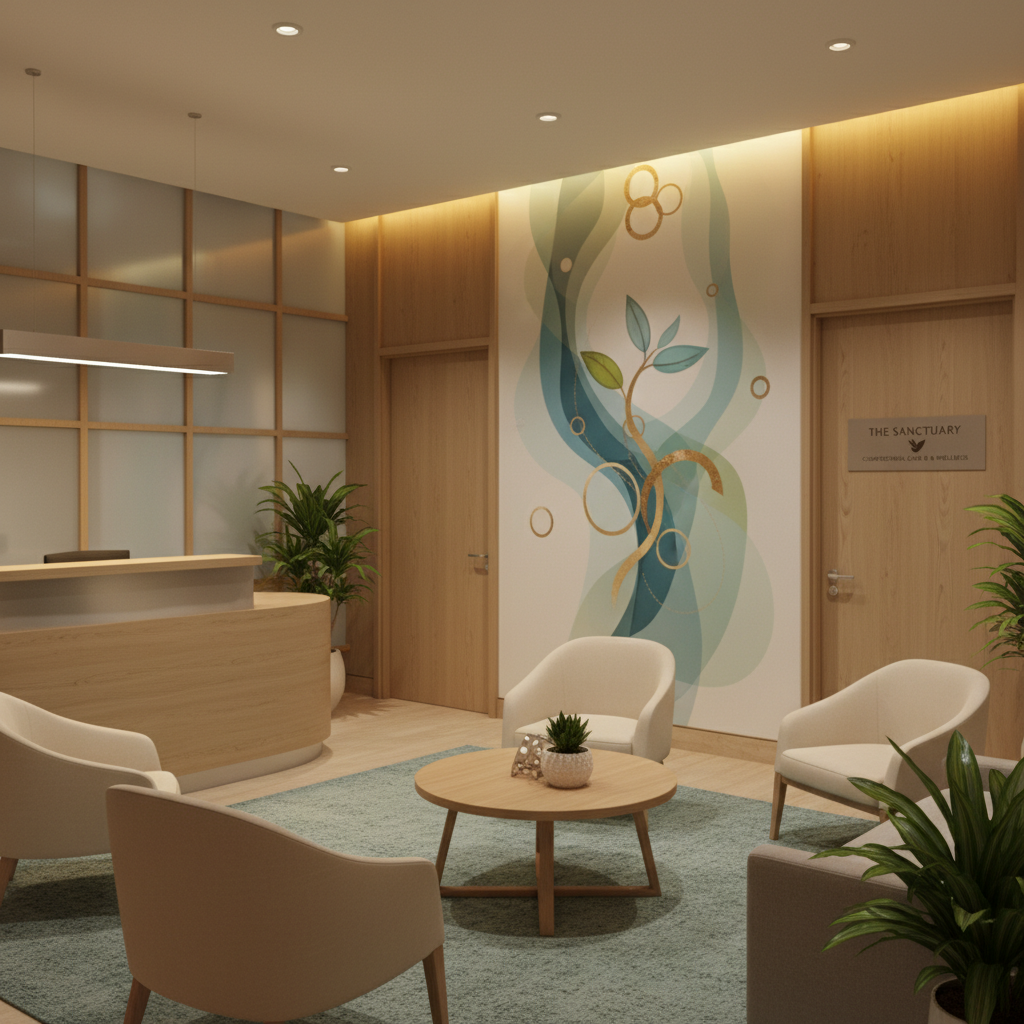
Discretion also shows up in the physical and social environment of treatment. At a trusted discreet addiction treatment facility, privacy is built into everyday details so that you feel protected from the moment you arrive.
Low profile, comfortable setting
The focus is on a comfortable rehab environment, not on a flashy or high-traffic space. You can expect:
- A calm, residential style campus or private setting that does not draw attention
- Unbranded vehicles and signage that do not advertise addiction treatment
- Secure, private entry so you can come and go without feeling exposed
Some high profile individuals choose programs that accept only a few patients at a time, use unmarked transportation, and separate booking systems from the physical location to ensure maximum privacy [5]. While Miracles Recovery Center focuses on accessibility rather than luxury, the same principle applies, privacy is treated as a core design feature, not an afterthought.
If you prefer more separation from your day to day environment, you can explore options that have a rehab center with private setting to align with your comfort level.
Thoughtful contact and communication
Discretion also applies to how staff contact you and your loved ones. In a trusted program, you can typically set preferences around:
- How staff identify themselves on phone calls or messages
- Whether voicemails mention the facility or the nature of your care
- Which email addresses or phone numbers are appropriate to use
Some facilities explicitly avoid mentioning the clinic name or addiction treatment in messages, which prevents unintentional disclosure if someone else sees or hears them. This type of policy is an example of how discretion is actively practiced in day to day operations.
Miracles Recovery Center mirrors this careful approach so that each outreach respects your privacy.
Trusted clinical care in a discreet setting
Privacy is essential, but it is only one part of effective treatment. You also need a program that meets clinical standards and is equipped to handle the full scope of substance use and mental health challenges you may face.
Evidence based and comprehensive treatment
Well designed substance abuse programs, including discreet facilities, use a combination of:
- Medical care and detox support when needed
- Psychosocial interventions such as individual, group, and family therapy
- Behavioral therapies like cognitive behavioral therapy and contingency management
- Peer support and self help groups as ongoing recovery tools
These methods aim for abstinence and also address medical, psychiatric, social, vocational, and legal issues, so you can regain functioning in every area of your life [6].
At Miracles Recovery Center, you receive addiction treatment with individualized care. Your plan is not a generic schedule. It is tailored to your substance use history, co occurring conditions, goals, and responsibilities at home and work.
Levels of care that fit your life
Discreet addiction treatment can occur in different settings, chosen according to your needs and level of motivation. These may include:
- Inpatient hospitalization for acute medical or psychiatric stabilization
- Residential treatment in a structured, 24 hour environment
- Intensive outpatient programs with several sessions per week
- Standard outpatient care with flexible scheduling and telehealth options
Guidance from the Substance Abuse and Mental Health Services Administration emphasizes using the least restrictive environment that is still effective, so you receive the right level of structure without unnecessary disruption [6].
If you need to maintain work or family duties, an intensive outpatient program or telehealth option can provide structured care with additional privacy. Many facilities now offer virtual services that allow you to participate in therapy from a private space at home or office [5]. Miracles Recovery Center incorporates similar flexibility while maintaining consistent clinical oversight.
How Miracles Recovery Center supports discreet, individualized care
When you choose Miracles Recovery Center as your discreet addiction treatment facility, you are choosing a program that combines privacy, comfort, and clinical quality in one setting.
A private, professional atmosphere
From your first contact, you are treated with respect and professionalism. The team understands that you may be balancing complex responsibilities and that discretion is not optional for you. Miracles offers a private addiction treatment center experience that is anchored in:
- Clear confidentiality policies that align with federal protections
- Staff training focused on sensitive communication and boundary management
- A calm, welcoming physical environment that supports recovery without drawing attention
You encounter a safe and supportive rehab environment where you can exhale, take stock of your situation, and begin to rebuild without feeling watched or judged.
Tailored support for professionals
If you are a professional or public facing individual, you may need more than standard privacy. You may also need scheduling flexibility, careful coordination with licensing or monitoring boards, and a nuanced understanding of workplace dynamics.
Miracles Recovery Center provides a private rehab experience for professionals that respects those realities. Your care plan can include:
- Strategic planning around disclosure and communication with employers or boards
- Focused work on burnout, perfectionism, and high pressure environments
- Thoughtful aftercare planning that integrates your return to work with ongoing support
Throughout this process, you continue to receive professional friendly addiction treatment that acknowledges your responsibilities without minimizing your need for rest and change.
Discreet treatment options and access to care
Cost and logistics should not be obstacles to receiving private, confidential care. You have multiple paths to support, and you can explore them at the pace that feels right for you.
Getting confidential referrals and information
If you are not ready to contact a specific facility, you can start with confidential, neutral resources:
- SAMHSA’s National Helpline (1-800-662-HELP) is available 24 hours a day, 7 days a week, in English and Spanish. It connects you with local treatment facilities, support groups, and community organizations, and it does not collect your personal details beyond necessary geographic information [4].
- The text service HELP4U allows you to text your ZIP Code to 435748 to receive information about nearby addiction treatment options in English. This is a discreet way to gather options from your phone without making a call [4].
These resources can help you compare programs and identify centers that explicitly highlight confidentiality, comfort, and individualized care similar to Miracles Recovery Center.
Aligning services with your needs
When you speak with a facility, you can ask specific questions to confirm that it meets your expectations for discretion:
- How do you handle phone calls, voicemails, and emails with patients and families?
- What written policies are in place to protect my identity and records?
- What options exist if I need higher privacy, for example separate housing or flexible scheduling?
- How do you coordinate care with other providers while respecting 42 CFR Part 2 protections?
A trusted program will be able to answer these questions clearly and will welcome them as part of ensuring you feel safe entering care. If you decide Miracles Recovery Center is the right fit, you can also explore whether a confidential drug rehab program is available that matches your clinical and privacy needs.
Discreet treatment is not about hiding who you are. It is about giving you the protected space you need to heal, so that you can return to your life stronger, clearer, and fully present.
Taking your next step with confidence
Choosing a discreet addiction treatment facility is a way to honor both your need for privacy and your commitment to change. You do not have to choose between protecting your reputation and getting help. With strong legal protections, thoughtful program design, and a comfortable rehab environment, it is possible to have both.
At Miracles Recovery Center, you find:
- A rehab with privacy and confidentiality that respects your boundaries
- A safe and supportive rehab environment where you can focus fully on recovery
- Addiction treatment with individualized care that addresses your unique challenges and goals
If you are ready to explore treatment, you can reach out on your terms, ask the questions you need to ask, and move forward at a pace that feels manageable. Your decision to seek help can remain private, and your path to recovery can take place in an environment that is designed to protect and support you every step of the way.