Most holistic rehab centers in Florida look alike from the outside, but Miracles Recovery Center does not. The websites promise whole-person care, list yoga and meditation, and show the same calm, palm-lined photos. What that marketing rarely answers is the one question that actually matters for you: will anyone here treat the anxiety, depression, or trauma that may be connected to the substance use, or will those get set aside while the program runs everyone through the same fixed schedule?
That gap is the whole point of whole-person recovery, and it is where a lot of programs quietly fall short. Adding a yoga class to a one-size-fits-all protocol is not the same as building your treatment around both the substance use and the reasons that may be behind it. This article explains what the difference looks like in practice, how the clinical work and the complementary care fit together, and what to ask before you trust a program with your recovery.
What Holistic Rehab Centers Actually Do Differently
Holistic rehab centers work to treat substance use and mental health together, in one coordinated clinical plan, from the first day. They do not bolt wellness extras onto a program that treats everyone the same way. That is the difference that may influence whether someone continues to struggle or begins to build a life they feel better about.
The work starts with a comprehensive biopsychosocial assessment. Instead of asking only about substance use, that assessment screens for co-occurring conditions like anxiety, depression, trauma, and PTSD. It looks at history, relationships, the medical picture, and patterns that may be contributing to the problem. At Miracles Recovery Center in Port St. Lucie, FL, this assessment is where a care plan begins, so both the addiction and whatever may be underneath it can be treated at the same time rather than handled one after the other.
Here is the trap you want to avoid. Plenty of programs treat the drinking or the drug use as the whole problem. They stabilize someone, run them through a standard set of groups, and send them home. The anxiety that may have gotten worse at night, the depression someone never named, the trauma they learned to numb, all of it can stay untouched. Then a hard week arrives and they may be right back where they started, wondering why treatment “did not work.” It often was not that they failed. It was that a piece was missing: no one treated the whole person.
Whole-person care closes that gap on purpose. When a plan addresses substance use and mental health as parts of the same picture, someone is not managing one issue while the other one waits. They are working on coping skills, emotional regulation, and a real understanding of their own patterns, all at once, which may help the progress hold up after they leave.
How Do Evidence-Based Therapy and Complementary Care Work Together?
They work together by keeping the clinical work at the center and using complementary services to support it, never to replace it. The therapy does the heavy lifting. The complementary modalities help people carry what they learn into their body and their daily routine.
The clinical core at Miracles Recovery Center is built on evidence-based, trauma-informed methods rather than one identical protocol repeated for everyone: Cognitive Behavioral Therapy (CBT) to connect thoughts, feelings, and behaviors, Dialectical Behavior Therapy (DBT) for emotional regulation, Motivational Interviewing to work with a person’s own reasons for change, trauma-informed therapy, family-systems work that brings the people around someone into the process, and both individual and group counseling. For clients with a trauma history and enough clinical stability, the team can add approaches like somatic therapy or narrative therapy when they are clinically appropriate. This is not a menu of buzzwords. These are the tools therapists use in individual sessions and process groups to help people build practical skills for their recovery.
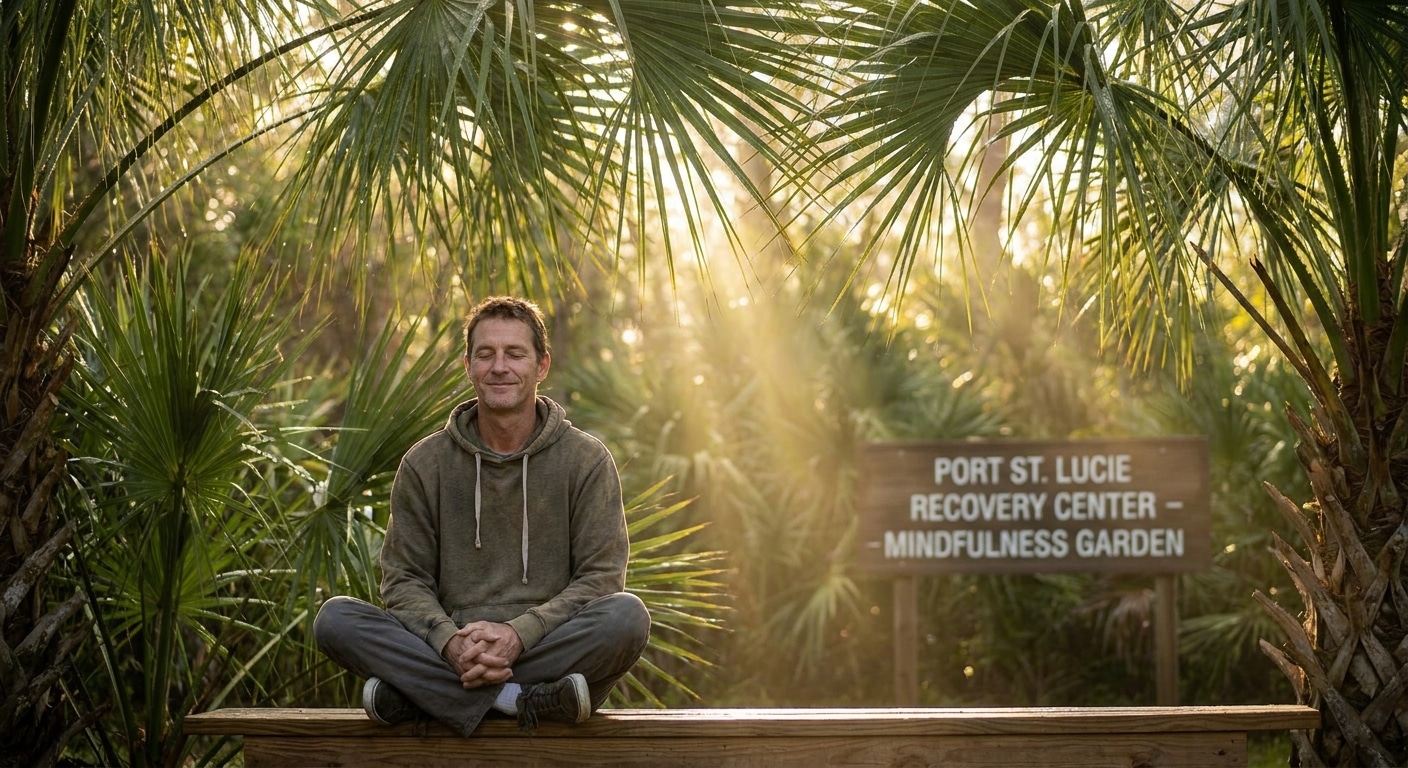
The complementary side is where whole-person care becomes something people can feel. At Miracles Recovery Center that includes a weekly one-hour yoga group facilitated by a group leader, sound-bath meditation, massage therapy, chiropractic care, exercise and fitness groups, art therapy, music groups, and mindfulness practices. Clients often come out of a yoga session noticeably less tense and describe new insight into themselves and what is going on around them. That is the value: these practices may help people manage stress, reconnect with their body, express emotions they could not put into words, and build healthier routines. National health researchers describe complementary approaches like yoga and meditation as practices used alongside conventional care, not in place of it, which is exactly how they belong in treatment (National Center for Complementary and Integrative Health).
The key word is layered. Every complementary service at Miracles Recovery Center is offered across the PHP, IOP, and outpatient programs based on individualized treatment plans and level of need, not handed out as a blanket amenity. The mindfulness someone practices may support the grounding skills their therapist teaches. The fitness group may support the routine they are rebuilding. The clinical gains come first, and the complementary care may make them easier to hold onto.
Why a Smaller Program Can Treat the Whole Person
A smaller program can treat the whole person because the team actually knows the people they serve. Whole-person care depends on people who can track progress closely and adjust quickly, and that is structurally hard to do inside a large, assembly-line facility.
The numbers matter here. Miracles Recovery Center typically serves 15 to 20 clients in each level of care at a time, with therapeutic groups generally run at one facilitator for every 15 clients so everyone has room to participate, receive feedback, and build relationships. With roughly 15 staff members supporting around 40 active clients, the team can build a genuine relationship with individuals and their families instead of processing them as just another admission. That is not a marketing line. It is the reason someone on the team can notice when someone’s mood shifts, when they are pulling back in group, or when the plan may need to change.
It also changes how care gets managed over time. At Miracles Recovery Center, treatment plans are formally reviewed every 7 days by the interdisciplinary clinical team, with additional case consultations whenever needs change. During each review, the team looks at progress toward goals, participation, mental health symptoms, substance use recovery, and any barriers standing in the way. If something is not working, they update goals, interventions, or even level of care right then, based on where someone actually is, not on a predetermined timeline that ignores the person in front of them.
Picture how that plays out. In a large program, a rough two weeks might not register until the next scheduled review, if anyone catches it at all. In a smaller, family-focused program, therapists, case managers, medical providers, and support staff are in continuous communication, so a change in needs may get noticed and addressed quickly. Families also have direct access to the team throughout treatment, with consistent communication, coordinated care, and individualized discharge planning so people leave with a realistic plan for their recovery. That responsiveness is what lets the team meet people where they are and help them find the next step instead of pushing them through a schedule that does not fit.
Why Anxiety and Depression Should Not Wait for a Later Phase
Anxiety, depression, trauma, and PTSD can be treated alongside substance use from day one, not deferred to some later phase. Whole-person care means both are on the plan from the start, with psychiatric evaluation and medication management added when it is clinically appropriate.
This is where the “treat the drinking, ignore the rest” model can do damage. When the mental health condition that may be underneath the substance use goes untouched, the symptoms that may have fed the using are still there when treatment ends. The anxiety may still spike at night. The depression may still flatten motivation. The trauma may still surface without warning. If nobody addressed those, the risk of relapse can climb, not because someone lacks willpower, but because the underlying issues were never treated.
At Miracles Recovery Center, confirmed co-occurring conditions treated include anxiety, trauma, PTSD, and depression, and the team also addresses more acute presentations such as stimulant-induced psychosis alongside the substance use disorder. Psychiatric evaluation and medication management are integrated into care when they are clinically appropriate, so the mental health piece is part of the plan from intake rather than a referral someone has to chase down somewhere else after they finish. If you want to understand what integrated care for co-occurring conditions should include, the federal treatment locator explains what quality programs offer (FindTreatment.gov).
What this means for someone is simple. They are not asked to get sober first and then, someday, deal with the depression. Both can be worked on at the same time, by the same team, in the same plan. That is the version of whole-person care that may support lasting recovery, because it treats the reasons someone may use and the using itself as one connected issue.
What a Turning Point Can Look Like in Whole-Person Care
A turning point can happen when honest accountability meets genuine belief in a person’s ability to change. One client at Miracles Recovery Center shows exactly how that combination can work.
He arrived angry, defensive, and quick to challenge staff and peers. It was clear that beneath the anger was someone who had never really learned healthy ways to cope. One day his behavior escalated, and a member of the clinical team pulled him aside for a direct conversation. The message was blunt and caring at the same time: this is not about who is the biggest or toughest person in the room, you are here because you want your life to change, and the anger is getting in the way of that. It was not an argument. It was accountability paired with a clear signal that the team was not giving up on him.
That conversation became a turning point. His therapist used CBT to help him identify the thoughts and beliefs that may have been driving his reactions and develop different responses. In regular process groups, he practiced emotional regulation and respectful communication in a safe environment. The team taught him grounding techniques: pause before reacting, step away when overwhelmed, talk a situation through instead of acting on impulse. Staff stayed consistent with expectations while recognizing every positive change they saw.
He started participating more openly. He accepted feedback from staff and peers. Over time, he became one of the clients encouraging others to stay engaged. He completed the entire program and recently celebrated almost two years of sobriety. His story is a reminder that recovery is not only about treating addiction. It is about helping a person build different ways to communicate, regulate emotions, and rebuild a life. Sometimes one of the most important things a program can offer is honest accountability combined with real belief that someone can change.
What Should You Ask Before Choosing a Holistic Rehab Center?
Before you choose any holistic rehab center, ask about credentials, accreditation, the levels of care offered, and the insurance accepted. Those answers tell you whether a program can actually deliver whole-person care or is just using the word.
Start with leadership and licensing. The Clinical Director at Miracles Recovery Center is a Licensed Clinical Social Worker (LCSW) with over eight years of experience treating substance use and co-occurring mental health disorders. Before leading the clinical team, she worked directly with clients as a therapist, which gives her firsthand understanding of the recovery process and what individuals and families are up against. Under her leadership, two areas the team is especially proud of are its CBT-based relapse prevention programming and its individualized treatment planning. The relapse prevention work is integrated throughout a stay in PHP and IOP rather than delivered as a fixed number of sessions, so someone is constantly identifying triggers and warning signs, developing coping skills, building a support network, setting healthy boundaries, and finishing with a personalized relapse prevention and aftercare plan. The Port St. Lucie facility is accredited by The Joint Commission for its PHP, IOP, and outpatient substance-use treatment services and is licensed through the State of Florida. Care is delivered by a multidisciplinary team that includes psychiatric providers, licensed and master’s-level therapists, case-management professionals, behavioral health staff, and recovery-support personnel.
Next, ask what levels of care a program provides, and be direct about what it does not. Miracles Recovery Center offers PHP, IOP, and outpatient care. It does not provide detox or residential treatment. If someone needs medically supervised withdrawal first, that step happens with a trusted medical partner, and the team can help point them toward the right starting place. Being told the truth up front matters, because a program that will not pretend it is the right fit just to get an admission is a program you can trust with the harder conversations later.
Finally, ask about cost and coverage. Miracles Recovery Center accepts BCBS, Cigna, Aetna, and UHC PPO policies for its PHP, IOP, and outpatient levels of care, and the team verifies benefits before anyone commits to anything. Never guess about coverage. A good program will walk someone through it plainly so money is one less thing keeping them from getting help.
Questions Families Ask About Holistic Rehab Centers
What does holistic treatment mean in a rehab center?
It means working to treat substance use and mental health together in one coordinated clinical plan from day one, not adding wellness amenities to a fixed protocol. Whole-person care starts with a comprehensive biopsychosocial assessment that screens for anxiety, depression, trauma, and PTSD so both can be addressed at the same time.
Does holistic rehab mean no evidence-based therapy?
No. Holistic programs keep evidence-based therapy at the center and layer complementary practices on top of it. At Miracles, methods like CBT, DBT, Motivational Interviewing, and trauma-informed therapy do the core clinical work, while a weekly yoga group, sound-bath meditation, massage therapy, art therapy, and mindfulness may support what someone learns in session.
How often are treatment plans updated at a holistic rehab center?
At Miracles, treatment plans are formally reviewed every 7 days by the interdisciplinary clinical team, with extra case consultations whenever needs change. Each review looks at progress toward goals, participation, mental health symptoms, substance use recovery, and any barriers, then updates goals, interventions, or level of care as needs change.
Does Miracles Recovery Center treat co-occurring mental health conditions?
Yes. Anxiety, depression, trauma, and PTSD are treated alongside substance use from the first day, with psychiatric evaluation and medication management integrated when clinically appropriate. More acute presentations such as stimulant-induced psychosis are also addressed alongside the substance use disorder, and none of it is deferred to a later phase of care.
What insurance does Miracles Recovery Center accept?
Miracles accepts BCBS, Cigna, Aetna, and UHC PPO policies for its PHP, IOP, and outpatient levels of care in Port St. Lucie, FL. The team verifies benefits before anyone commits to anything.
Does Miracles offer detox or residential treatment?
No. Miracles provides Joint Commission accredited PHP, IOP, and outpatient programs for substance use and co-occurring mental health disorders. It does not offer detox or residential treatment. If withdrawal management is needed first, the team can help someone find a trusted starting point.
You do not have to sort out whether a program is genuinely whole-person on your own. Call Miracles Recovery Center in Port St. Lucie, FL to schedule a comprehensive biopsychosocial assessment and hear, in plain terms, how treating both substance use and the mental health conditions that may be underneath it can look for someone. If you are not sure Miracles is the right fit, the team will tell you honestly and help you find the next step, because recovery is possible and healing is possible when the whole person is treated, not just the symptom, though each person’s path and timeline will be unique to their circumstances.
Experience Whole-Person Healing in Port St. Lucie
If you’ve tried traditional treatment before and still feel like something’s missing, a holistic approach might address the physical, emotional, and spiritual dimensions of recovery that matter most to you. Miracles Recovery Center in Port St. Lucie integrates evidence-based care with complementary therapies designed to support lasting change. A confidential conversation can help you understand whether this approach aligns with what you’re looking for right now.
Individual responses to treatment vary based on many factors including severity of condition, co-occurring disorders, length of engagement, and personal circumstances; no single approach works uniformly for everyone.