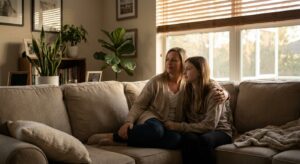
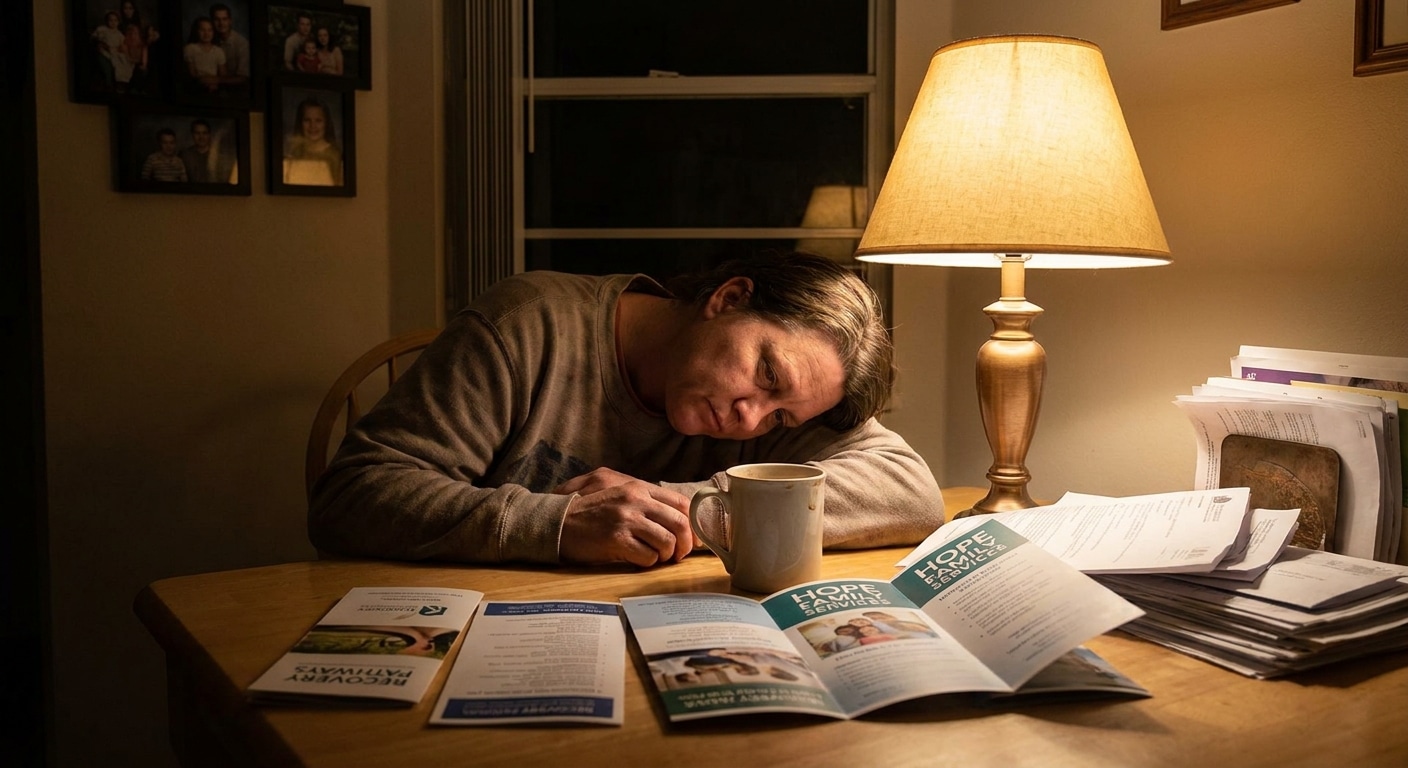
In the past two weeks, three therapists, two school administrators, and a pediatrician have all said the words “residential treatment.” Each time, you nodded as if the decision were already made. But no one has told you how long your child will actually be gone, what happens when they come home, or whether sending them away for months is the only path left. This guide answers the question underneath all those meetings: how long do kids stay in residential treatment, who decides when they come home, and what has to be in place for the progress to continue.
First, you should know who is writing this. Miracles Recovery Center in Port St. Lucie is not a residential program. Our levels of care are partial hospitalization (PHP), intensive outpatient (IOP), and telehealth. We accept Aetna, Blue Cross Blue Shield, Cigna, UnitedHealthcare, TRICARE, and PPO policies. We have nothing to gain by talking you into a long placement or out of one. PHP and IOP are the levels of care that may come after a residential stay ends in some cases, which means our work focuses on the part of the story that brochures tend to skip: what happens when someone comes home.
Take a breath. You do not have to decide the rest of your child’s life today. You need honest answers to a handful of questions, and then you need the next right step.
What Is a Residential Treatment Facility?
A residential treatment facility is a non-hospital setting where a person lives full time while receiving treatment for substance use, mental health conditions, or both. Staff supervise around the clock. The days follow a set schedule of therapy, groups, meals, school or activities, and rest. The goal is to give someone a safe, structured place to stabilize and build new skills when home has become difficult for treatment engagement.
Residential care is different from a hospital. There is usually no emergency room down the hall or nursing staff running medical procedures. It is also different from outpatient care, where a person goes home at the end of each day. Residential sits in the middle: more structure than outpatient, less medical intensity than a hospital. So when you ask how long do kids stay in residential treatment, part of the answer depends on which kind of facility you are looking at, and that is where the confusion often starts.
How Long Do Kids Stay in Residential Treatment, and Why Is the Range So Wide?
Residential stays for young people may last somewhere between 30 days and six months, and some long-term therapeutic programs run a year or longer. The length depends on your child’s clinical progress, the program’s model, and what your insurance will approve, not on a date circled on a calendar. Individual experiences vary widely.
Part of the confusion is that “residential” covers very different programs. National treatment data from SAMHSA’s Treatment Episode Data Set (TEDS) separates residential care into two settings: short-term residential, defined as 30 days or fewer, and long-term residential, defined as more than 30 days. In practice, families tend to run into two broad models. Short-term programs, usually 30 to 90 days, focus on getting a young person safe, stable, and engaged in treatment. Long-term therapeutic programs, often 6 to 12 months or longer, are built for severe, longstanding behavioral or psychiatric conditions and work more slowly on deeper patterns.
Several factors may influence length of stay:
- How severe the substance use or mental health symptoms are
- Whether depression, anxiety, trauma, or PTSD is happening alongside substance use
- How safe home is right now
- Whether the placement is voluntary or court-ordered
- How much time the insurance company approves at each review
Picture two 16-year-olds admitted the same week. One drinks on weekends and has stopped going to school. The other uses drugs daily, has a history of trauma, and has run away twice. They may sit in the same group room, but they are not on the same timeline, and they should not be.
That is why the honest answer is that clinical progress may influence discharge decisions more than calendar time. A program can tell you its average length of stay, though your child’s experience may differ. Ask which milestones your child needs to reach before anyone talks about going home.
Who Decides When Your Child Comes Home, and What Does Medical Necessity Really Mean?
Your child’s treatment team and your insurance company decide together, based on whether residential care is still “medically necessary.” As a parent, you have a voice, but in many insurance-funded placements you do not hold the final word on the discharge date.
Many programs use the ASAM Criteria, a framework from the American Society of Addiction Medicine, to decide which level of care fits a person. The ASAM Criteria do not just ask “how bad is it.” They look across several areas of life: physical health and safety, emotional and behavioral health, readiness to change, risk of returning to use, and whether home and community can support recovery. When those areas show that a young person may need 24-hour structure to stay safe and make progress, residential may be considered medically necessary. When the picture improves, a lower level of care may become appropriate.
Insurance companies check that picture again and again through a process called utilization review. The program sends updates, and a reviewer at your insurance company decides whether to approve more days. Depending on the plan, these reviews may happen every week or two, or roughly every 30 days. This is why families are sometimes told “we have approval through the end of the month” with no promise beyond it. It is not personal. It is the system checking whether your child still meets criteria for the current level of care.
Discharge readiness usually involves considerations like these: your child is no longer in immediate danger to themselves or others, they are using emotional regulation skills instead of escalating, they are taking an active part in therapy, family sessions have started addressing communication, and a written relapse prevention plan exists. On day one, ask the program, “How do you define readiness for discharge, and how will I know we are getting close?” If the answer is vague, ask again. You deserve to be seen, heard, and understood in this process, not just informed after decisions are made.
What Happens After Residential Treatment Ends: The Step-Down Plan No One Talks About
Once you understand how discharge gets decided, the next question is what comes after. When residential treatment ends, your child returns to the same home, the same school, the same phone, and often the same friends. Step-down care is the bridge that may help maintain connection to treatment as someone returns to daily life.
Residential care works partly because it removes so much. There is no access to substances, no late nights with the old crowd, and no unstructured hours. That control is helpful, and it is also temporary. The National Institute on Drug Abuse describes addiction as a chronic condition where returning to use can happen and ongoing care matters. In plain terms: skills learned in a controlled setting have to be practiced in the uncontrolled one, with support close by, or they may be difficult to maintain.
A step-down plan may include a structured treatment program right after discharge, ongoing family therapy, a clear plan for returning to school, and a schedule that tapers support slowly instead of all at once. Going from 24-hour care to one therapy appointment a week is a large transition. Going from residential to PHP, then to IOP, then to outpatient is a gradual approach. This is not a weaker version of residential. It is where skills get practiced in the place they have to function.
This is the part of care Miracles Recovery Center provides. Our partial hospitalization program in Port St. Lucie offers structured, evidence-based treatment during the day while the person sleeps at home. In one documented case, a client spent approximately five weeks in PHP before stepping down to IOP. Treatment plans and timelines are individualized, and this example does not represent what every person should expect. We treat substance use disorder and mental health disorders as connected, not as separate problems handled by separate people. That is what whole-person care means to us.
If your child is a young adult finishing a residential stay, consider contacting us before discharge day, not after, so the handoff can be a clear plan instead of a gap. If your child is younger, call anyway and ask whether our programs fit their age and needs. The most caring thing we can do is tell you honestly whether we are the right fit.
The Real Cost of Residential Treatment and Why Insurance May Not Cover What You Expect
Residential treatment for young people is often expensive, and insurance may cover less than families expect. The gap usually shows up in authorization limits, out-of-network billing, and denials after the first review.
This is not just a local frustration. A 2024 study supported by NIDA found that residential addiction treatment for adolescents is scarce and expensive across the United States. Scarcity matters for Port St. Lucie families because it may be one reason a recommended program sits in another county or another state. Distance often means the program is out-of-network, and out-of-network may mean you are responsible for a much larger share of the bill.
Insurance problems tend to arrive in a predictable order. First comes prior authorization, where the plan must agree before admission. Then comes the initial approval period, which may be shorter than the program’s typical length of stay. Then comes utilization review, where continued days can be denied even while your child is still there. Some programs also ask for large payments up front. Before signing anything, ask three questions in writing: Is this program in-network with my plan? How many days are approved right now? What happens financially if the insurance company stops approving days?
For families whose child does not require 24-hour care, or who are stepping down after residential ends, PHP and IOP close to home may be an option. Miracles Recovery Center accepts Aetna, Blue Cross Blue Shield, Cigna, UnitedHealthcare, TRICARE, and PPO policies. We do not accept Medicaid. Coverage always depends on your specific plan, so when you call, ask our team to walk you through your benefits for PHP and IOP before you make any decision.
Questions Port St. Lucie Families Should Ask Before Committing to a Residential Program
Cost is only one part of the decision. Before you sign, ask five things: how your child was assessed, what the program treats, which therapies it uses, what a day actually looks like, and whether a less restrictive level of care could meet your child’s needs. The answers tell you more than any website.
Has my child been assessed with a standardized tool like the ASAM Criteria, and does it show residential may be medically necessary? A recommendation should rest on a full biopsychosocial assessment, not one hard week or a referral list. Ask to see how the level of care was chosen.
Does the program treat what my child is actually dealing with? Residential programs for young people commonly treat:
- Substance use disorders involving alcohol, cannabis, opioids, stimulants, or other drugs
- Depression and persistent hopelessness
- Anxiety disorders, including panic and social anxiety
- Trauma and PTSD
- Co-occurring disorders, where substance use and mental health symptoms may be connected
- Self-harm and suicidal thoughts that need close supervision
- Serious behavioral problems at home or school
Does the program use evidence-based therapies like CBT, DBT, and trauma-informed care? Ask who delivers them and whether those staff hold clinical licenses, such as LCSW, LMFT, or psychologist. Be cautious about programs built mainly on confrontation, isolation, or punishment. Structure helps. Shame is not treatment.
What does a typical day look like? Ask for the real schedule. In many residential programs for young people, a day may follow a pattern like this:
- Wake-up, hygiene, and a check-in with behavioral health techs about mood and sleep.
- Breakfast with peers and staff.
- A morning therapy group focused on skills such as coping with cravings or managing anger.
- Academic time, since many adolescent programs include schooling.
- Lunch and a short break.
- Individual therapy or a specialty group, such as trauma, grief, or relapse prevention.
- Physical activity or recreation.
- Family calls, family therapy sessions, or visiting time on scheduled days.
- Dinner, followed by an evening group or reflection time.
- Quiet time and lights out on a consistent schedule.
What is the discharge plan, and could PHP or IOP work first? Ask who your child will see the week after discharge. Then ask directly whether a partial hospitalization or intensive outpatient program could meet their needs now without a residential placement. A trustworthy program will answer that question honestly, even when the answer is no.
How Miracles Recovery Center Helps Port St. Lucie Families Find the Right Level of Care Close to Home
Miracles Recovery Center provides PHP, IOP, and telehealth in Port St. Lucie, FL. For families across Port St. Lucie, Stuart, Jupiter, Okeechobee, and Vero Beach, that means intensive, structured care without sending someone hundreds of miles away.
Our partial hospitalization program offers structured treatment during the day, followed by evenings and nights at home. In one documented case, a client spent approximately five weeks in our partial hospitalization program before stepping down. This is one person’s documented experience and does not represent what you should generally expect. Intensive outpatient is the next step on the continuum, with less time in treatment each week so a person can return to school, work, or daily responsibilities while staying connected to care. Telehealth adds flexibility on the days when a drive from Okeechobee or Vero Beach is not realistic. At every level, care follows an individualized treatment plan built around the person in front of us, not a template.
We treat substance use disorder, drug addiction, and alcohol addiction alongside anxiety, depression, trauma, and PTSD, because for many people these may be connected. The drinking may be tied to the panic attacks. The pills may be tied to the nightmares. When only one side gets treated, the other side may pull the person back. Whole-person care means looking at relapse patterns, emotional regulation, relationships, and the home environment together, with evidence-based treatment and a clear plan at each step. Our job is to meet people where they are and help them work toward building a life they do not feel the need to escape from, though outcomes vary from person to person.
Staying local also changes what may be possible for families. Regular family involvement may be easier when it does not require a flight. Practicing new skills at the actual dinner table, with the actual school schedule and the actual stressors, gives everyone real information about what is working. If your child needs more than we provide, including detox, residential, or emergency care, we will tell you that plainly and help you think through where to look. Recovery is possible for many people, and it starts with the right level of care, not the most dramatic one.
What Else Are Port St. Lucie Parents Asking Before They Sign?
Families often have the same handful of follow-up questions about early discharge, insurance denials, safety, and what comes after. Here are direct answers.
Can my child leave residential treatment early if they are doing well?
Discharge depends on the clinical team’s assessment and insurance approval, not just what you or your child prefer. Early discharge usually requires documented progress on treatment goals and a step-down plan already in place. Leaving against clinical advice without a plan may put that progress at risk.
What if my insurance denies coverage for residential treatment after the first 30 days?
You can appeal the denial, and the program should help you with the paperwork. A denial may also be a sign that your child now meets criteria for a lower level of care, such as PHP or IOP, which may be approved where residential no longer is.
Is residential treatment the only option if my teenager is suicidal or using drugs daily?
If your child is in immediate danger, call 911 or the 988 Suicide & Crisis Lifeline, or go to the nearest emergency room now. Miracles Recovery Center is not an emergency or crisis service. Once immediate safety is addressed, residential care may be appropriate for serious ongoing risk, while some young people may stabilize in PHP with daily clinical support while living at home, though needs vary by individual.
Is there a difference between inpatient and residential treatment?
Yes. Inpatient care usually means hospital-based treatment with round-the-clock medical and nursing coverage, typically for short, acute stays. Residential care means living in a non-hospital treatment setting for weeks or months, with 24-hour supervision and a full schedule of therapy.
How do I know if a residential program is evidence-based or just behavior modification?
Ask which therapies it uses, such as CBT, DBT, or trauma-informed care, and whether clinicians hold licenses like LCSW, LMFT, or psychologist. Programs that rely mainly on confrontation, punishment, or isolation are a warning sign.
What does Miracles Recovery Center offer for families who cannot afford or do not need residential treatment?
Miracles Recovery Center offers PHP, IOP, and telehealth in Port St. Lucie. We accept Aetna, Blue Cross Blue Shield, Cigna, UnitedHealthcare, TRICARE, and PPO policies. Call to ask whether our programs fit your loved one’s age and clinical needs.
How long does PHP or IOP last compared to residential treatment?
In one documented case at Miracles Recovery Center, a client spent approximately five weeks in PHP before stepping down to IOP. This is one documented engagement and does not represent what every person should expect, since our whole-person care and evidence-based treatment plans are built around each individual. How long IOP continues after that is individualized and based on clinical progress, not a fixed number of days.
Your Next Call Matters More Than the Placement
If you have read this far, you are already doing the hard part: asking real questions instead of just nodding along. Call Miracles Recovery Center at the number on this page to talk through whether PHP or IOP may be the right level of care for your loved one, or to start building a step-down plan before a residential stay ends. Families in Port St. Lucie, Stuart, Jupiter, Okeechobee, and Vero Beach reach the same team, close to home. If you call today, that matters.
Here is one concrete thing you can do right now. Before you sign any residential agreement, ask the program to name, in writing, where your child will receive care the week after discharge. If they cannot answer that, you have found the gap in the plan, and closing it is your next right step.
Ready to Learn More About the Right Program Length for Your Child?
Every young person’s path to recovery is unique, and choosing a residential treatment program in Port St. Lucie means understanding how duration connects to lasting healing. The team at Miracles Recovery Center can walk you through what timeline might make sense for your family’s specific situation and answer the questions that weigh most heavily on your mind right now.
Individual responses to treatment vary, and no program can guarantee specific outcomes. This article is for general education and is not medical advice. If your child is in immediate danger, call 911 or the 988 Suicide & Crisis Lifeline, or go to the nearest emergency room.