Same-Day Admission Rehab in Florida: How Fast You Can Actually Get Help
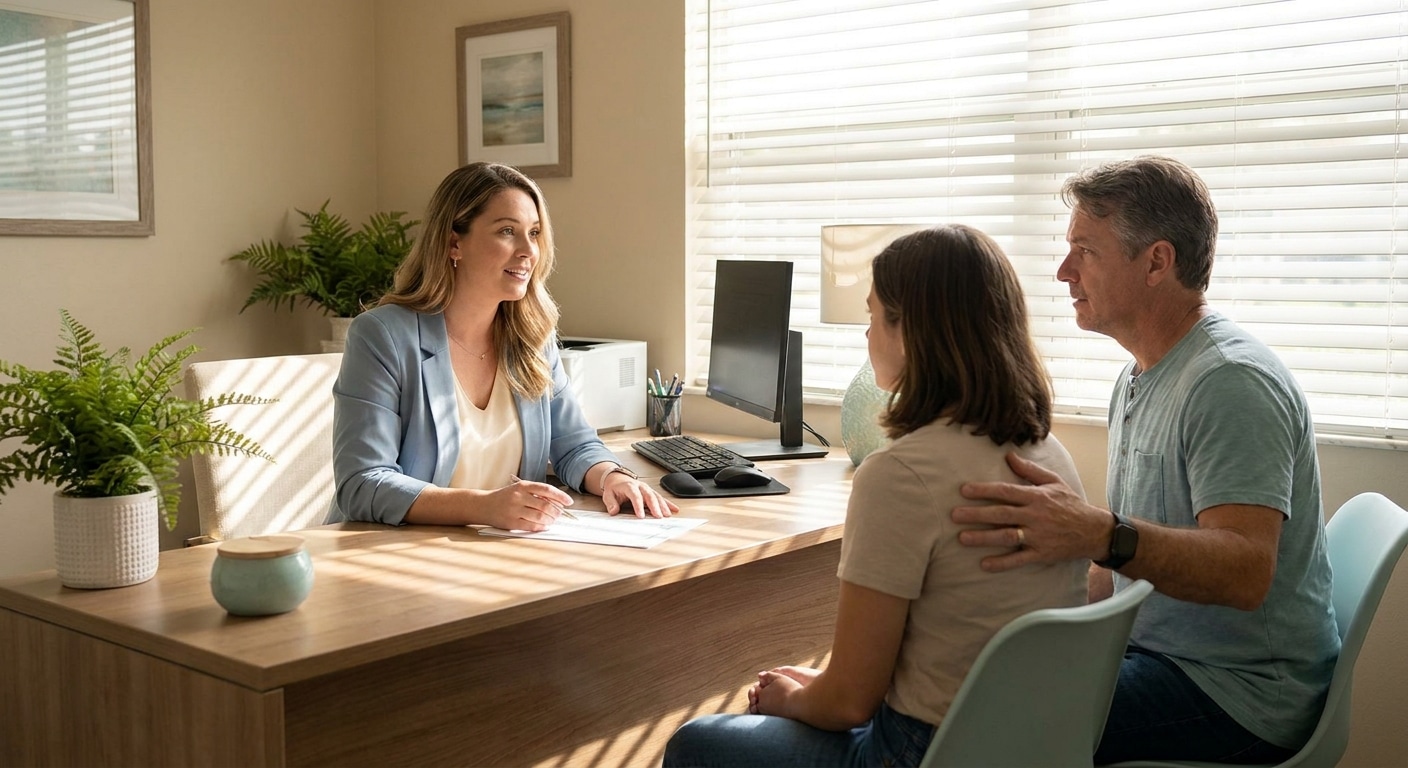
A mother sat with the Miracles intake manager a few hours after she first called, holding her son’s hand while he prepared to start a Partial Hospitalization Program the same afternoon. The only reason she made it from phone call to admission that fast was because the intake team asked one crucial question first: is he safe to start outpatient treatment today, or does he need medical detox before we can help him here?
That question is the whole story. Same day admission rehab is real, and it happens more often than families expect, but it is not automatic and it is not the same for everyone. The honest answer to “can we come in today” depends on whether your loved one is medically stable, whether insurance can be verified quickly, and whether the clinical team agrees that a Partial Hospitalization Program (PHP) or Intensive Outpatient Program (IOP) is the safe level of care right now. This guide walks you through exactly how that decision gets made, step by step, so you know what to expect before you pick up the phone. You do not have to decide the rest of your life today. You just have to make the next right step.
What Has to Be True Before Same-Day Admission Can Happen
Same-day admission to PHP or IOP becomes possible when three things line up: your loved one is medically stable enough to start outpatient care, their insurance benefits can be verified and authorized quickly, and the clinical team confirms that this level of care is safe for them today. When even one of those is missing, the timeline changes, and that is not a failure. It is the system working the way it should.
Think of it as a set of prerequisites, the same way a doctor confirms a few things before any procedure. The first is safety. If someone is in immediate danger, actively suicidal, or medically unstable, outpatient treatment is not the right starting point, no matter how urgent the situation feels. The second is withdrawal risk. PHP and IOP are day programs, which means your loved one goes home or to safe housing each evening. That structure works beautifully for someone who is medically stable, but it is the wrong setting for someone who needs round-the-clock monitoring while their body clears alcohol or benzodiazepines. The third is the practical piece: insurance verification, transportation, and a clinical review that says yes, this person is appropriate for the level of care we provide.
In the first ten to fifteen minutes of a same-day call, the Miracles intake manager is quietly working through those prerequisites. Where is your loved one right now? Are they alone? Did they use today? Are they having thoughts of harming themselves? Do they need emergency care? Those are not intrusive questions. They are the questions that tell an experienced clinician whether the next call is to schedule an admission or to get someone to an emergency room first. Families are told plainly: you do not need to know the right level of care before you call. That is the team’s job, not yours.
Step 1: What Happens in the First 10 to 15 Minutes of the Call
The intake manager’s first job on a same-day call is not to admit your loved one. It is to slow the situation down and make sure the person is safe. Everything else waits until that is answered.
The call opens with basic safety questions: where the person is, whether they are alone, whether they used any substances that day, whether they are having thoughts of self-harm, and whether they need emergency care right now. From there, the intake manager runs a pre-screen that covers basic information, substance use history, the last time your loved one used, current mental health symptoms, medications, medical conditions, past treatment, insurance or payment, and how they would get to the program. This is the team’s First Call Safety and Level-of-Care Screen, and it is designed to surface the details that matter most in a same-day decision: safety, withdrawal risk, mental health, medical needs, support system, and motivation.
Some of the most important questions are about withdrawal. What substances were used and when was the last use? Is the person shaking, sweating, confused, or agitated? Have they ever had complications when they stopped drinking or using before? These matter because alcohol and benzodiazepine withdrawal can become medically dangerous, and the National Institute on Drug Abuse is clear that managing withdrawal safely is a medical process, not something to push through alone at home. Within about ten to fifteen minutes, the intake manager has enough information to know whether an emergency room or crisis unit is needed first, or whether the conversation can move toward same-day outpatient admission. This is not an interrogation. The intake manager treats the call as a person to help, not a sales call, listening carefully so your family is pointed toward the right door instead of the nearest one.
Step 2: How Insurance Gets Verified and Approved the Same Day
At a smaller, locally based program, insurance verification and clinical authorization can often be completed the same business day, while larger national chains may need three to five business days. The difference comes down to how many hands your family passes through.
Because Miracles is a small, family-focused program in Port St. Lucie, the person verifying your benefits stays closely connected with the clinical and admissions teams rather than passing your loved one through multiple departments. Nobody is filing your loved one’s information into a queue that gets picked up by a different department in another state next week. The person checking your Blue Cross, Cigna, Aetna, UnitedHealthcare, TRICARE, or other PPO coverage can confirm the clinical screen and answer the real question you are asking, which is “can you come in today, and who can safely help get you here?” Within roughly the first thirty minutes of a same-day call, intake has been completed, insurance verification and authorization are underway, and the clinical team has reviewed the case for level-of-care appropriateness.
This is where things quietly tip in your favor. A national chain routes your loved one through separate intake, verification, and utilization-review teams, and each handoff adds a day. A smaller program keeps those roles connected, which is why same day admission rehab is genuinely possible here when it is clinically appropriate and authorization requirements are met. In many cases benefits can be verified the same business day and admission coordinated within 24 hours. That speed is not a shortcut around clinical judgment. It is simply what happens when the people making the decisions are close enough to talk to each other in real time, instead of passing your family, and your fear, from department to department.
When the Team Says “You Need Detox First” Instead of “Come In Today”
Sometimes the safest, most caring answer is not yes. If your loved one is actively withdrawing, medically unstable, drinking or using benzodiazepines heavily, at risk for withdrawal complications, needs 24-hour monitoring, or is actively suicidal or psychotic, the clinical team will recommend medical detox, residential care, crisis stabilization, hospital, or emergency care first, before outpatient treatment can begin safely.
A family once called Miracles wanting their loved one admitted immediately. They were exhausted, they had finally gotten a yes, and they were terrified of losing the moment. But as the intake team worked through the first-call questions, a clearer picture emerged: the person was drinking heavily every single day, had been using benzodiazepines, was shaking badly, had a history of withdrawal complications, and was making hopeless statements. The honest response was not the one the family wanted to hear. The team told them, “The safest next step is not outpatient treatment today. They need medical detox or an emergency evaluation first. Once they are medically stable, we can reassess whether Miracles is appropriate.” That is clinical judgment placed ahead of a quick admission, and it is the most caring thing the team can do.
Miracles does not run detox on-site, and that is exactly why this handoff matters. Rather than admitting someone into a setting that cannot keep them safe, the admissions team helps coordinate placement with trusted facilities across the Treasure Coast and Florida, weighing clinical need, insurance, bed availability, location, and your family’s preferences. You can also search licensed programs directly through SAMHSA’s treatment locator. The team does not disappear once your loved one is placed elsewhere. They stay involved in planning the transition back to Miracles PHP or IOP once your family member is medically stable, so the momentum you fought for is not lost.
Step 3: What Happens Between “Yes, You’re Approved” and Walking Through the Door
The gap between “I’m ready” and “I’m walking through your door” is where most same-day admissions are won or lost, so the intake manager stays connected with your family through that window instead of hanging up once the paperwork is started. You are treated as a person to help, not a sales call.
That first thirty to sixty minutes after approval is fragile, and everyone who has lived through it knows why. Willingness in a person struggling with addiction can flicker. Fear creeps back in. The intake manager understands this, which is why they stay connected emotionally while moving the admission forward, answering questions and helping you hold the plan together while the logistics fall into place. You are not doing this alone either. The broader first-72-hours team includes the intake manager, admissions manager, business development, a therapist, behavioral health techs, and a case manager. Take a breath. You called today, and that matters. Now the practical pieces get handled one at a time.
Here is what families usually need to sort out before arrival:
- What to bring: insurance cards, a photo ID, current medications in their original bottles, comfortable clothing, and any court or legal documents if they apply.
- What to leave behind: the intake manager gives you a specific list, because certain items are not permitted in the program.
- Transportation: who can safely bring your loved one in, and whether they should not be driving themselves.
- Family presence: whether you can stay during the intake process and what your role looks like on day one.
- Timing: how long the first day takes and what your loved one will actually do during their first hours in the program.
None of this should feel like a test you might fail. The intake manager walks you through each item, and if something is missing, the team problem-solves with you rather than turning you away. The goal is to remove every small obstacle standing between your loved one saying yes and your loved one sitting in a chair inside the program, because those small obstacles are exactly where willingness slips away.
Step 4: What the First Day of Treatment Actually Looks Like
When your loved one walks through the door, the first hours are spent on a full clinical assessment, safety review, and treatment-plan development, not on paperwork alone. Same-day admission does not mean rushed admission.
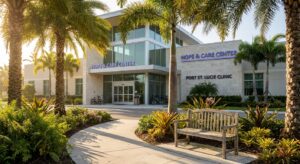
The Port St. Lucie facility is accredited by The Joint Commission for its PHP, IOP, and outpatient substance-use treatment services and is licensed through the State of Florida. That accreditation matters here because it means the team reviewing a same-day admission is held to national standards for safety and quality, not making decisions on the fly. Care is delivered by a multidisciplinary team: psychiatric providers, licensed and master’s-level therapists, clinicians, case-management professionals, behavioral health staff, and recovery-support personnel. On day one, your loved one meets several of these people, completes a biopsychosocial assessment, and has an initial treatment plan built around their specific needs rather than a template.
The assessment itself uses an integrated, evidence-based, trauma-informed approach, drawing on modalities like Cognitive Behavioral Therapy, Dialectical Behavior Therapy, and Motivational Interviewing to understand not just what your loved one is using, but why they keep ending up here. The clinical picture does not get frozen at intake, either. The team continues refining the plan across the first 72 hours as they learn more, adjusting for withdrawal, mental health symptoms, medication needs, and family dynamics. This is the difference between being treated like a number and being seen, heard, and understood. Your family member is not processed and parked. They are assessed, welcomed, and surrounded by people whose job is to figure out the next right step with them, one day at a time.
What Same-Day Admission Looks Like on the Treasure Coast
For families in Port St. Lucie and the surrounding Treasure Coast, same day admission rehab means getting help close to home instead of driving hours to Miami, Orlando, or out of state. Miracles coordinates same-day clinical review and insurance authorization locally, which keeps your loved one near the people who love them.
Families call from Martin, St. Lucie, Indian River, and Palm Beach counties, and the question is almost always the same: can we get help today without leaving the area? Staying local is not a small thing when someone is scared and fragile. A shorter drive means fewer chances to change their mind between the yes and the door. It means family can be present during intake. It means aftercare, alumni support, and follow-up happen in the same community where your loved one lives, works, and rebuilds. Recovery is easier to sustain when it is not tied to a facility three states away that your family can never realistically visit.
When medical detox is needed first, staying regional still works in your favor. The admissions team helps place your loved one at a trusted detox and stabilization facility across the Treasure Coast and Florida, then coordinates the transition back to Miracles PHP or IOP once they are medically stable. You are not left to research detox centers alone at midnight, guessing which ones take your insurance. If you do want to explore licensed options yourself, FindTreatment.gov lists accredited programs nationwide, but the point of calling a local team is that you do not have to navigate any of it by yourself. Meet your family where they are, and let people who do this every day help carry the logistics.
What Families Feel After Same-Day Admission Versus Waiting Weeks
Families describe the difference between same-day admission and a two-week wait in one word: relief. When the window of willingness is honored, a parent or spouse gets to watch their loved one assessed, admitted, and surrounded by a clinical team within hours, instead of hanging up the phone and praying that yes survives until an out-of-state bed opens up.
The waiting is its own kind of agony. You finally get your loved one to agree, and then someone tells you to call back next week, or that the nearest opening is in a facility hundreds of miles away. Every day of that wait is a day for fear, shame, and old relapse patterns to pull them back. That is precisely the gap this whole process is built to close. Getting seen quickly does not just move a name up a list. It tells a frightened person that help exists, that it did not turn them away, and that someone was ready when they finally reached out.
None of this is a promise about the end of the road. Lasting recovery is possible, and it takes real work over time, through individual therapy, group and process work, emotional regulation and grounding skills, relapse-prevention planning, case management, peer support, and family involvement. What same-day admission does is protect the beginning. It honors the moment your loved one said yes and turns it into a plan, fast, before that yes has time to fade. In one case, a person went from first call to arrival in roughly a few hours, and their family was finally able to exhale, because their loved one was no longer a crisis they were managing alone. He was a person being cared for. That is the point of moving quickly, and it is the point of doing it safely.
Frequently Asked Questions
Can someone really get admitted to rehab in Florida the same day they call?
Yes, when the person is medically stable, insurance authorization can be completed quickly, and the clinical team confirms outpatient PHP or IOP is the safe level of care. In one case a person went from first call to arrival in roughly a few hours, and same-day admission within 24 hours is possible when it is clinically appropriate and authorization is satisfied. If medical detox is needed first, that step must happen before same-day outpatient admission becomes possible.
What happens if my loved one needs detox before they can start outpatient treatment?
The intake team redirects them to medical detox, residential, crisis stabilization, hospital, or emergency care first, helps coordinate that placement at a trusted facility across the Treasure Coast and Florida based on clinical need, insurance, bed availability, location, and family preference, and plans the transition back to Miracles PHP or IOP once they are medically stable. You do not have to find detox on your own.
How long does insurance verification take for same-day admission?
At a smaller, locally based program in Port St. Lucie, benefit verification and clinical authorization can often be completed the same business day, because the person verifying benefits stays closely connected with the clinical and admissions teams instead of passing you through separate departments. Larger national chains may require three to five business days for verification and utilization review. Miracles accepts BCBS, Cigna, Aetna, UnitedHealthcare, TRICARE, and other PPO policies.
What should we bring on the day of admission?
The intake manager gives you a specific list during the first call, but families generally bring insurance cards, a photo ID, current medications in their original bottles, comfortable clothing, and any court or legal documents if they apply. Ask the intake manager what to leave at home so nothing slows the day down.
What if my family member changes their mind between saying yes and arrival?
The intake manager stays connected with your family during that first window, staying connected emotionally while moving the admission forward. The stretch between “I’m ready” and “I’m walking through your door” is where most same-day admissions are won or lost, so you are not left to hold it together alone.
Does same-day admission mean my loved one is being rushed through without a proper assessment?
No. The Joint Commission-accredited clinical team completes a full safety screen, level-of-care assessment, and treatment-plan review on the day of admission, and psychiatric providers, licensed and master’s-level therapists, and case managers continue refining the plan throughout the first 72 hours of care.
Take the Next Step Today
Call the Miracles Recovery Center intake team in Port St. Lucie, FL today to find out whether same day admission rehab in a PHP or IOP is medically safe and possible for your family member, or whether medical detox or crisis stabilization should come first. You do not need to know the answer before you call. That is what the team is here to figure out with you. One phone call starts the safety screen, the insurance check, and the clinical review, and often that is all it takes to turn a frightening yes into a real plan the same afternoon.
Individual experiences and results vary. The stories described here reflect one family’s or one person’s experience and are not a prediction of any specific outcome.