Understanding rehab accepting Aetna in Florida
When you start searching for a rehab accepting Aetna in Florida, you are usually balancing two urgent needs. You want clinically strong treatment that feels safe and human, and you need to know what your Aetna plan will actually pay for. Bringing those pieces together is what turns a stressful search into a clear path forward.
In Florida, Aetna is a major insurer for substance use and mental health treatment. Under the Affordable Care Act, Aetna health plans must provide coverage for medically necessary inpatient mental and behavioral health services, including substance use disorder treatment such as drug and alcohol rehab [1]. That gives you a legal foundation to work from, even though the exact benefits vary by plan.
When you understand how Aetna works, which types of programs are typically covered, and how to move through admissions, you can focus more on recovery and less on paperwork.
What Aetna typically covers in Florida
Aetna insurance coverage for drug and alcohol rehab in Florida depends on your specific health plan and whether the provider is in-network. In general, your plan may help pay for a full continuum of care if treatment is medically necessary [2].
Common levels of care
Most Aetna plans in Florida may cover, in part or in full:
- Detoxification, including medically supervised withdrawal when needed
- Inpatient or residential rehab
- Partial hospitalization programs (PHP)
- Intensive outpatient programs (IOP)
- Standard outpatient counseling and follow up
American Addiction Centers notes that Aetna may cover detox, inpatient or residential care, partial hospitalization, or intensive outpatient treatment in Florida when you use appropriate providers [2].
Outpatient services are specifically protected under the Affordable Care Act. Aetna plans include coverage for substance use and mental health, including IOPs and PHPs offered at Florida facilities [3].
Mental health and co occurring conditions
If you are living with both a substance use disorder and another mental health condition, you are not alone. Aetna plans in Florida may cover dual diagnosis or co occurring disorder treatment when it is medically necessary. This allows you to address both conditions together instead of treating them separately [1].
Coverage usually extends to:
- Individual therapy, including cognitive behavioral therapy (CBT)
- Psychiatric evaluation and medication management
- Group therapy and family sessions
Aetna typically covers individual CBT for substance use disorders in Florida, depending on your exact plan and provider choice [3].
Medication assisted treatment
Many Aetna plans also cover medically assisted treatment (MAT) for opioid or alcohol use disorders. Recovery.com reports that Aetna plans may cover medications such as methadone or buprenorphine as part of addiction and mental health treatment in Florida [4]. The specific medication, setting, and length of coverage will depend on your plan.
In network vs out of network Aetna rehab
One of the most important decisions you make is whether to attend an in network or out of network rehab that accepts Aetna in Florida. This choice has a significant impact on what you pay and how your care is authorized.
Why in network usually costs less
In network rehabs have contracts with Aetna to accept pre negotiated rates. That usually means:
- Lower deductibles compared to out of network
- Lower coinsurance percentages
- More predictable out of pocket maximums
American Addiction Centers notes that Aetna coverage in Florida depends on your plan and whether the provider is in network, and that their Recovery First Treatment Center in Hollywood and River Oaks Treatment Center near Tampa are in network with Aetna [2].
Recovery.com also highlights that many accredited Florida rehabs, such as Recovery Centers of America at Mount Dora and River Oaks Treatment Center, accept Aetna with verified insurance policies and flexible payment options [4].
When out of network might still work
Aetna plans may offer some benefits for out of network rehab, but you can expect:
- Higher out of pocket costs
- Higher deductibles or separate out of network deductibles
- Lower reimbursement rates
Recovery.com notes that Florida rehabs that accept Aetna often accept out of network benefits as well, but coverage levels are lower and out of pocket costs higher. Many centers will try to offset this with payment plans or help with insurance claims [4].
If you are considering an out of network option, it becomes even more important to request a detailed rehab cost estimate in Florida before you commit.
Types of Aetna plans in Florida and what they mean
Coverage also depends on the type of Aetna plan you have. In Florida, Aetna offers multiple plan structures, each with different rules and networks.
Common Aetna plan types
According to American Addiction Centers, coverage options under Aetna in Florida include:
- PPO plans
- HMO plans
- POS plans
- Affordable Care Act marketplace plans
- Medicare and Medicaid plans [2]
Each type affects your rehab choices.
- PPO plans typically allow more flexibility in choosing providers and may include out of network benefits.
- HMO plans usually require you to stay within a tight network and may need referrals.
- POS plans blend features of both, depending on how you access care.
- Marketplace, Medicare, and Medicaid based Aetna plans have their own specific networks and prior authorization rules.
No matter which plan you have, the safest approach is to confirm benefits directly and use tools like Aetna’s provider directory, which The Recovery Village identifies as a key way to find Florida rehab centers that accept Aetna insurance [5].
If you want help interpreting the details, you can also consult a specialized rehab consulting service in Florida to walk through your options.
Finding rehab accepting Aetna Florida
You have many options when you look for rehab accepting Aetna Florida. The challenge is narrowing them down to a program that fits your clinical needs, location preferences, and budget.
Using national and state level resources
Several national and state level resources highlight the scale of care available:
- Recovery.com lists 5,268 addiction and mental health facilities across the United States that accept Aetna insurance and notes 333 rehab centers in Florida that take Aetna, with filters for location, condition, therapies, and approach [6].
- American Addiction Centers operates Recovery First in Hollywood and River Oaks near Tampa, both in network with Aetna and offering inpatient and outpatient programs [2].
- The Recovery Village describes how Aetna, as a CVS Health subsidiary, covers inpatient, outpatient, and MAT in Florida, subject to specific plan details [5].
When you combine these directories with local guidance, you can quickly create a shortlist of appropriate rehabs.
Considering location and setting
Where you receive care has a real impact on your experience. You may want a facility close to home or you may prefer some distance and privacy.
Florida offers:
- Coastal and urban settings, such as Hollywood, Tampa Bay, Port St. Lucie, and central Florida
- Quiet residential environments that feel more retreat like
- Hospital based or clinic based programs that feel more medical
If you want to stay near Port St. Lucie, understanding the rehab intake process in Port St. Lucie can help you plan your first steps more confidently.
Some people also look for extra privacy and comfort. If that matters to you, you can compare facilities that offer rehab with private rooms in Florida so you know what level of accommodation to expect.
How to verify your Aetna coverage
One of the fastest ways to create clarity is to verify your Aetna benefits before you enroll. This also helps the rehab admissions team tailor a realistic financial plan with you.
Steps to check benefits
You can usually confirm your coverage with a simple process:
- Locate your Aetna member ID card and note your plan name and group number.
- Call the member services number or use your online Aetna portal to check mental and behavioral health benefits.
- Ask about deductibles, coinsurance, out of pocket maximums, and whether preauthorization is required for inpatient or PHP/IOP.
- Request a list of in network facilities in Florida or use the provider directory.
The Recovery Village recommends that Florida residents with Aetna review their Summary of Benefits and Coverage to understand copays, deductibles, and out of pocket maximums that affect treatment costs [5].
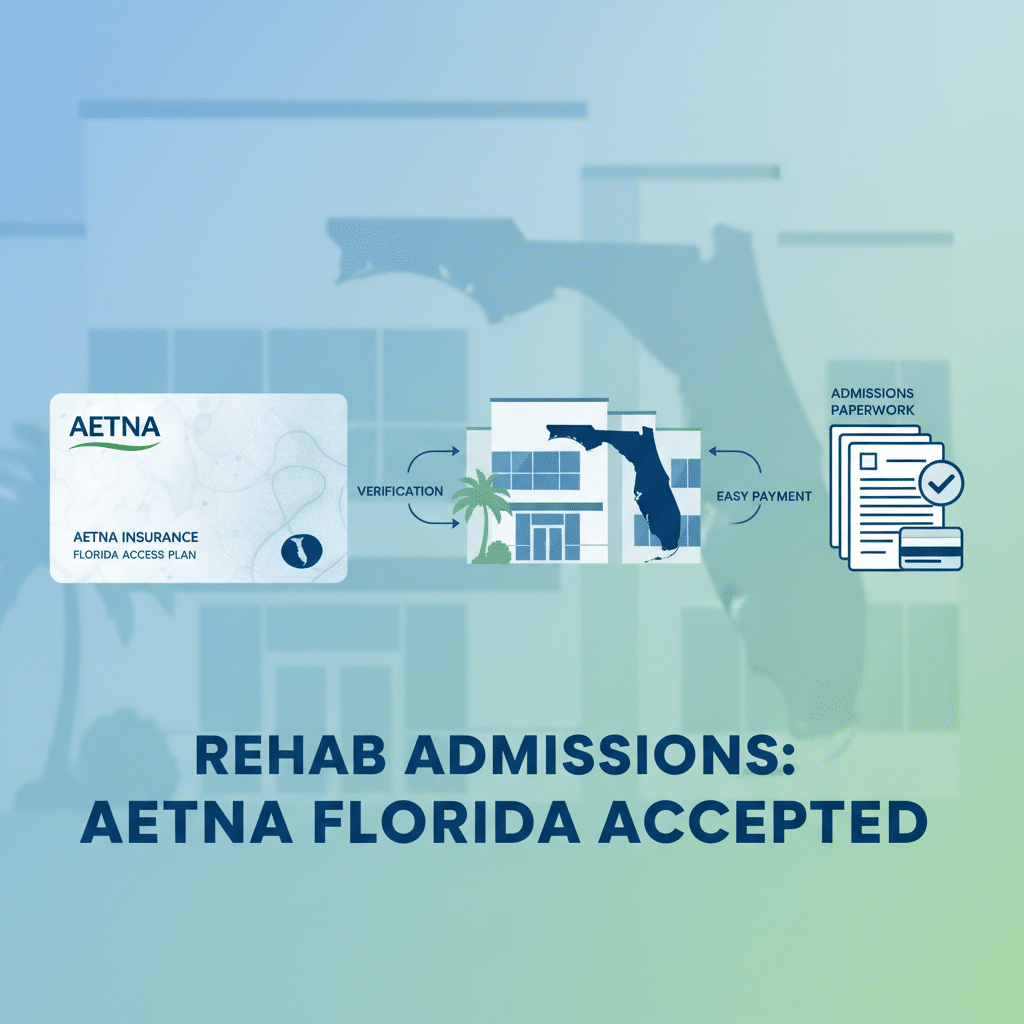
If you prefer not to handle this alone, you can use tools like verify insurance for Miracles FL. Admissions specialists can often contact Aetna on your behalf and explain the results to you in plain language.
Why preauthorization matters
Many Aetna plans require prior authorization for inpatient or higher levels of care. Without it, claims can be delayed or reduced. A reputable rehab will help you:
- Gather any necessary clinical documentation
- Submit preauthorization requests
- Respond to any follow up questions from Aetna
This is one reason it helps to choose a center that works with Aetna regularly. They understand what information the insurer typically needs to approve treatment.
Admissions and enrollment with Aetna coverage
Once you understand that you can use Aetna benefits at a given rehab, your next step is to move through admissions and enrollment.
What to expect from intake
Intake usually begins with a confidential call or online form. During that first conversation, you are often asked about:
- Your substance use history and current situation
- Any mental health diagnoses or symptoms
- Your medical conditions and medications
- Your Aetna insurance information
This allows the admissions team to suggest an appropriate level of care and confirm that they can support your needs. For a more detailed picture, you can explore resources about confidential rehab admissions in Florida to understand how your privacy is protected.
From there, you will move into a formal clinical assessment, consent forms, and scheduling an admission date. If you want a step by step overview, the guides on how to start rehab in Florida and rehab enrollment in Florida can help you prepare.
Application and documentation
Most centers will guide you through a specific application or pre admission packet. This can include:
- Personal identification and contact information
- Emergency contacts
- Medical history and current medications
- Insurance details and any secondary coverage
- Financial responsibility agreements
You can learn more about what to expect in the rehab application process in Florida so that you can gather documents in advance and avoid delays.
Cost, deductibles, and payment options
Aetna coverage can significantly reduce your cost of rehab in Florida, but it rarely eliminates every expense. Understanding the remaining financial responsibility helps you decide what is sustainable.
How Aetna interacts with cost
Depending on your plan, you may have:
- An in network deductible that must be met before full coverage begins
- Coinsurance, for example paying a percentage of each day of inpatient care
- Copays for outpatient sessions
- An out of pocket maximum that caps your yearly spending
Rehabs.com notes that coverage for addiction treatment through Aetna Florida varies by plan and facility, which makes it crucial to verify benefits and potential costs before admission [1].
If you are comparing facilities, it can help to read about rehab cost in Florida and use a rehab cost estimate for Florida to see how different lengths of stay and levels of care affect your bottom line.
Combining insurance with payment options
If Aetna does not cover everything, or if you have a higher deductible, many rehabs offer flexible financial arrangements. These can include:
- Monthly payment plans
- Sliding scale fees in limited situations
- Use of health savings accounts (HSA) or flexible spending accounts (FSA)
Recovery.com notes that Florida rehab centers that accept Aetna often offer flexible payment plans or assistance with insurance claims to make treatment more affordable when coverage is partial or out of network [4].
If you know you will need to supplement your Aetna benefits, it may help to review your broader rehab payment options in Florida, including self pay rehab in Florida and available rehab financial assistance in Florida).
A practical approach is to treat your Aetna coverage as the foundation and then build a payment plan around whatever remains, instead of assuming insurance will cover 100 percent.
Transportation and logistical planning
Even with coverage and admission in place, you still have to manage logistics. Transportation, timing, and coordination can feel overwhelming, especially if you are traveling from another part of Florida.
Admissions teams are used to helping with:
- Arranging transportation from home or an airport to the facility
- Coordinating arrival times with detox or assessment schedules
- Planning for medical or psychiatric follow up once you leave
If travel support is important to you, you can explore rehab transportation options in Florida and ask any facility you are considering what they can realistically provide or arrange.
When you are comparing programs, do not overlook location. Some people benefit from staying close to family for support. Others do better with some distance from their usual environment. There is no single correct choice. What matters is choosing what supports your recovery and is logistically feasible for you and your loved ones.
When Aetna is one of several insurers
You might be comparing Aetna based rehab options with other insurance carriers, or you may have family members on different plans. Understanding how Aetna fits into the larger picture can help you make a long term plan.
If you also hold coverage with other insurers, such as Cigna, you might want to look at how benefits compare across plans. Resources on rehab accepting Cigna in Florida can give you context on differences in networks, copays, and preauthorization rules. This can be useful if you are considering changing plans during an enrollment period or planning treatment for multiple family members.
Taking your next step with Aetna in Florida
The scale of addiction in Florida is significant. Rehabs.com reports that about 1.1 million people aged 12 or older, or 6.3 percent of that age group, met criteria for a past year substance use disorder between 2017 and 2019, and more than 57,000 people were enrolled in treatment on a single day in March 2019 [1]. You are not alone in needing help, and you are not alone in asking how to pay for it.
Using a rehab accepting Aetna Florida gives you a way to turn your health insurance into a direct investment in your recovery. The key steps are:
- Verify your Aetna coverage and understand your benefits
- Prioritize in network rehab programs when possible
- Clarify costs, deductibles, and payment options up front
- Choose a location and setting that supports your goals
- Move through admissions with support from experienced staff
If you want a more guided path, you can reach out through Miracles Recovery admissions in Florida. An admissions specialist can help you verify Aetna insurance, estimate costs, review in network options through Miracles in network providers in Florida, and coordinate your rehab enrollment in Florida so that you can focus fully on starting treatment.